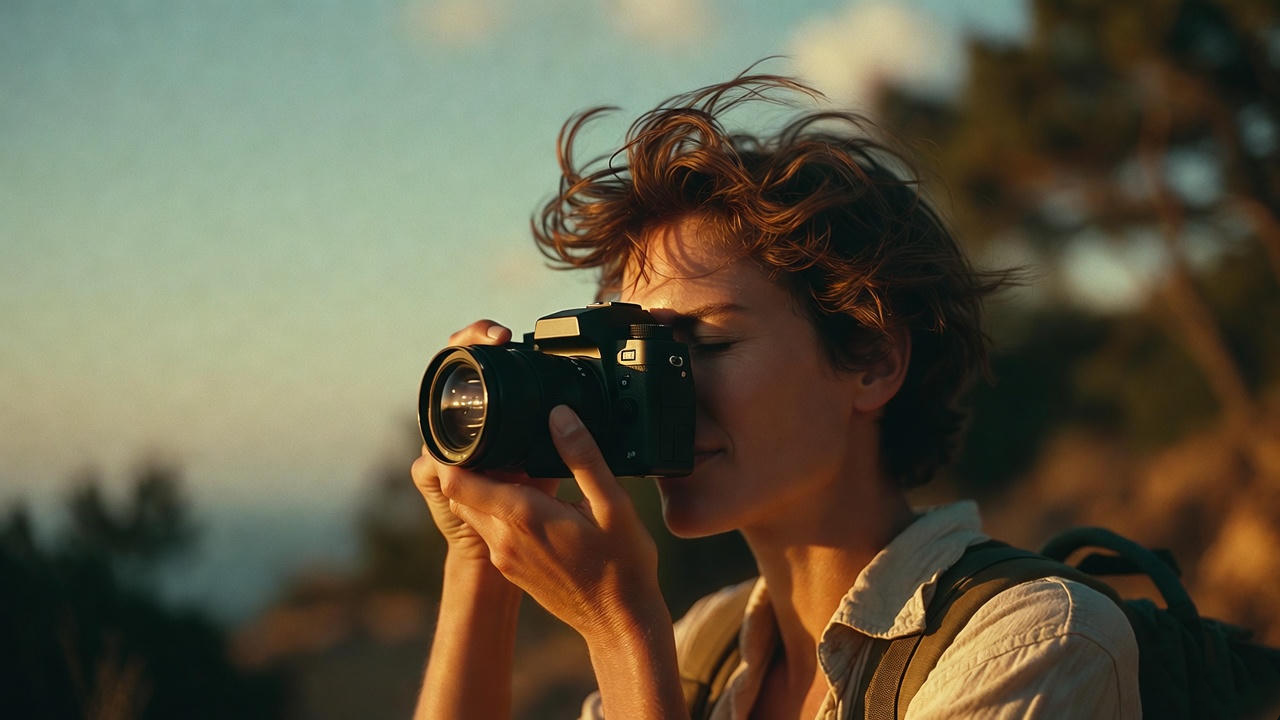

You know that feeling when you catch the perfect light hitting Table Mountain? When the spray from Victoria Falls catches your lens just right? That split second when everything aligns, and you think: “This is why I bought all this bloody kit.”
I’ve dragged my camera gear across three continents. Mostly through South Africa, where I learned the hard way what works and what just weighs you down. Every photographer tells you something different. This is what actually kept me shooting.
The Body That Never Let Me Down
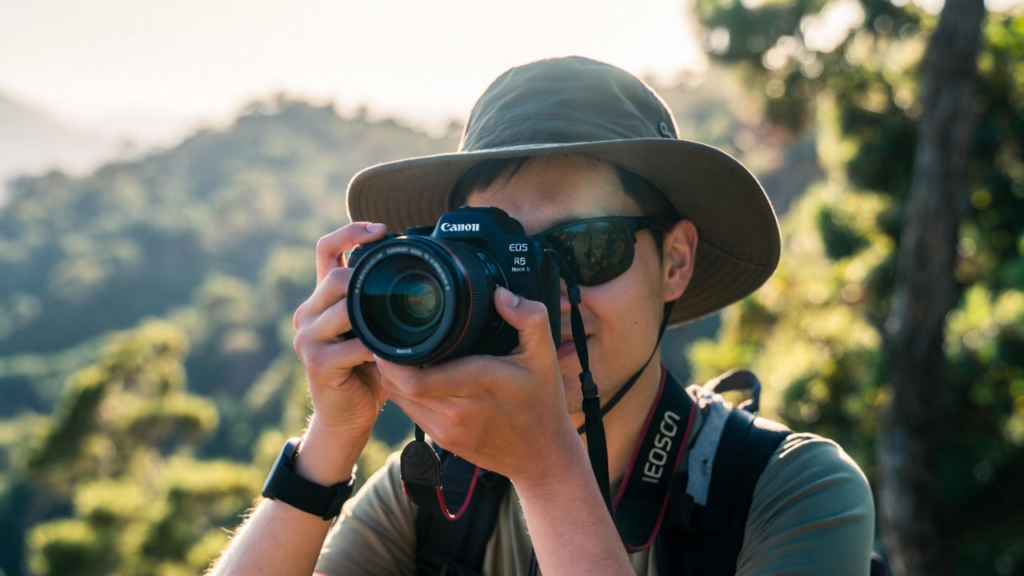
My Canon EOS R6 Mark II has taken a beating. Karoo dust. Kruger humidity. That time I dropped it on the rocks near Blyde River Canyon. Still fires.
People obsess over megapixels. They’re missing the point. You need something that works when your hands are frozen at Sani Pass or when you’re scrambling up Lion’s Head before sunrise. The R6 Mark II does that. Twenty-four megapixels is plenty. The autofocus tracks wildlife like it’s got a sixth sense.
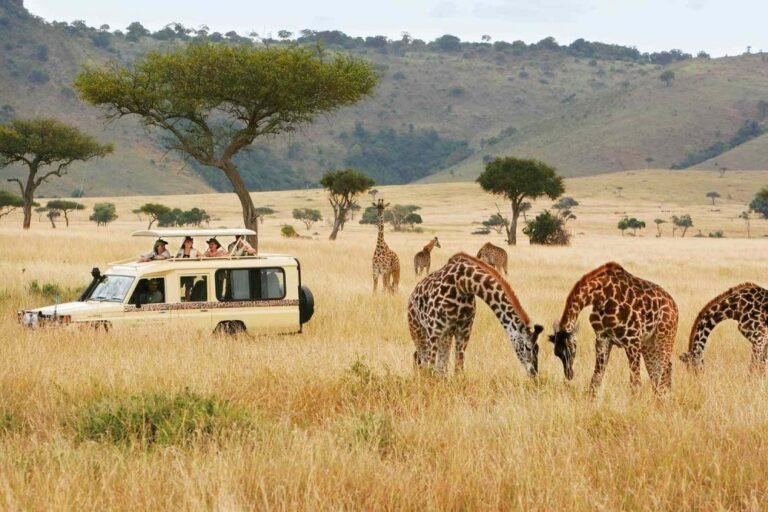
Fast burst mode saved me more times than I can count. Those fleeting moments at tourist attractions in South Africa happen quick. Penguins at Boulders Beach don’t pose. Neither do the big cats.
Full-frame sensor matters when the light drops. Golden hour in the Drakensberg. Twilight over the Cape Winelands. You need that dynamic range. You need those clean high ISOs.
Weather sealing isn’t optional. South Africa throws everything at you. Coastal mist. Sudden thunderstorms. Sand that gets into everything. Your camera needs to handle it all.
Is it expensive? Yes. Worth every penny? Absolutely. Check current prices here.
Glass That Sees Everything
I rotate between three lenses. That’s it. Three.
The RF 24-70mm f/2.8 lives on my camera. It’s the workhorse. Wide enough for landscapes, tight enough for portraits. Fast aperture for low light. The tourist attractions in South Africa demand versatility. Chapman’s Peak Drive curves. The chaos of Victoria & Alfred Waterfront. Tight streets in Bo-Kaap.
This lens covered eighty percent of my best shots. Sharp corner to corner. Built like a tank. Heavy, yes, but you get used to it. The weight means quality. See it on Amazon.
The RF 70-200mm f/2.8 comes out for wildlife and distance shots. Elephants in Addo. Whales off Hermanus. Those dramatic compressed landscapes where mountains stack behind mountains. It’s a beast. Your arms will know you’ve been shooting. But the images? Stunning.
Image stabilization works miracles. You can handhold slower shutter speeds than you’d think possible. Crucial when you’re hiking and don’t want to carry a tripod. Available here.
The RF 16mm f/2.8 is my secret weapon. Wide. Ridiculously wide. The only way to capture the full scale of places like Cango Caves or the vastness of the Kalahari. Light as anything. Fits in your pocket. Takes your breath away when you see what it captures.
Milky Way shots? This lens owns them. The dark sky reserves in South Africa are something special. Sutherland. The Karoo. Stars like you’ve never seen. Wide angle, fast aperture, sharp as hell.
The Platform That Steadies Everything
A tripod seems basic until you need one and don’t have it. I wasted money on cheap ones. They broke. They wobbled. They fell over.
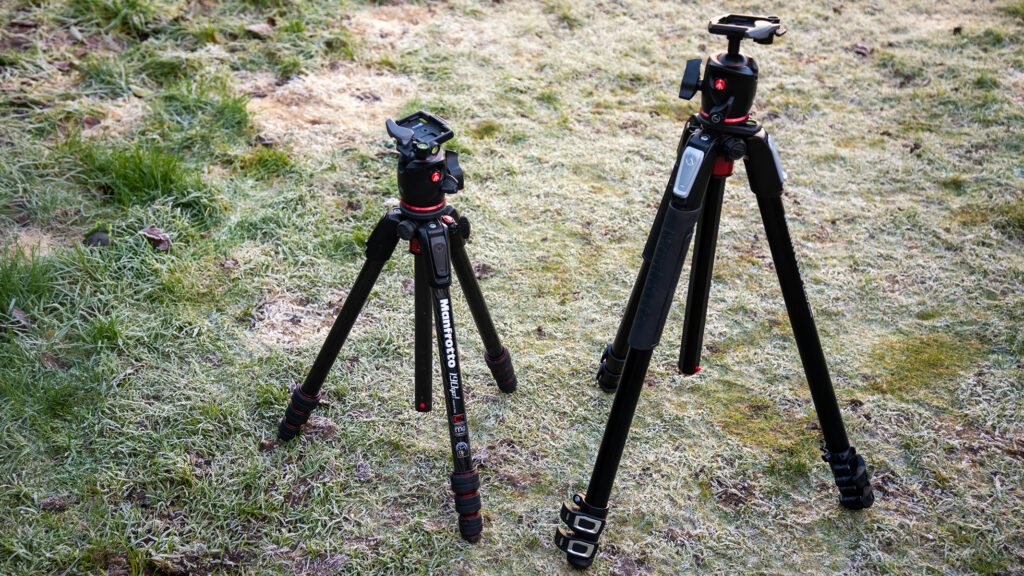
The Manfrotto MT055XPRO3 changed that. Aluminium construction strikes the right balance between weight and stability. Extends high enough for elevated shots. Gets low enough for ground-level perspectives. The horizontal column means you can shoot straight down for flat lays or food photography.
Those long exposures at tourist attractions in South Africa need rock-solid support. Waterfalls in Tsitsikamma. Night shots of the Durban beachfront. Smooth water effects. You can’t handhold this stuff.
Quick-release plate makes swapping between handheld and tripod fast. You don’t miss shots fumbling with screws. Time matters when the light’s changing. Get one here.
The legs lock solid. Wind doesn’t phase it. I’ve used it on mountain ridges where the gusts would knock you sideways. Camera stayed put.
The Pack That Carries It All
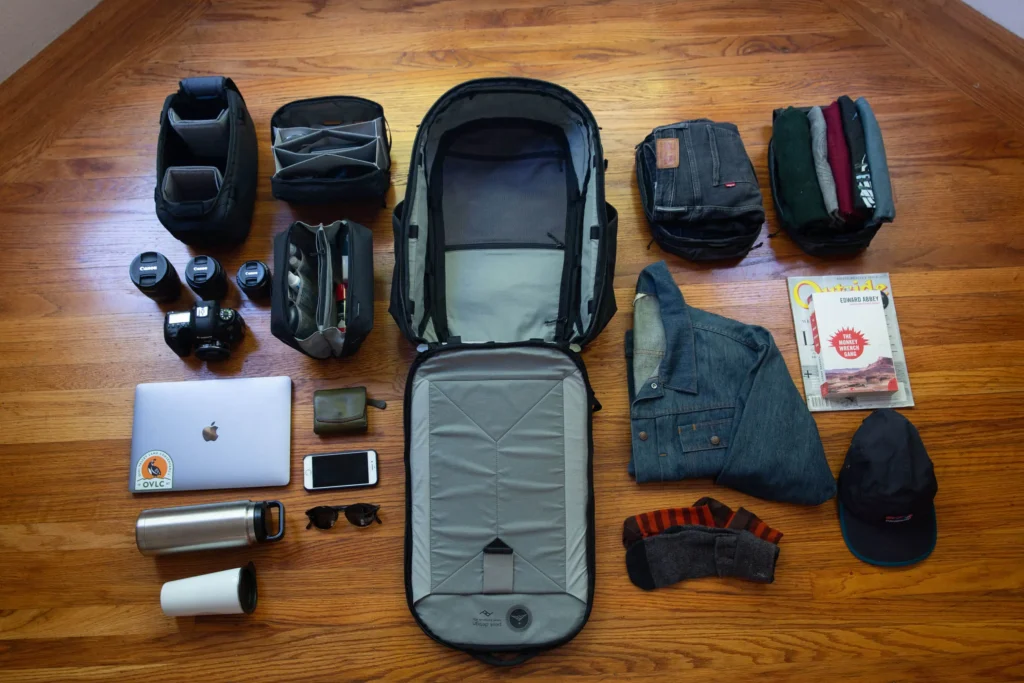
Peak Design Travel Backpack 45L isn’t cheap. I nearly didn’t buy it. Glad I did.
Opens like a suitcase. You see everything. No digging. No unpacking your whole kit to reach the bottom. When you’re shooting fast-moving situations, this matters enormously.
Camera cube sits inside. Customizable dividers protect your gear. Take the cube out, and you’ve got a regular backpack for when you’re not shooting. Brilliant design.
Comfortable carry even when loaded. Padded straps. Hip belt that actually does something. I’ve hiked with this for hours. Your back won’t hate you.
Fits airline carry-on requirements. Your expensive kit stays with you. Always. Never checking camera gear. That’s asking for trouble. Worth every rand.
Water-resistant material keeps things dry in sudden downpours. Hidden passport pocket adds security. Expansion zipper gives extra space when you pick up souvenirs.
The Bits That Make the Difference
Extra batteries. Always. The R6 Mark II is hungry. I carry four. Sounds excessive until you spend a full day shooting and your third battery dies at sunset.
Circular polarizing filter cuts reflections and deepens skies. Makes a massive difference in bright African light. Colors pop. Contrast improves. Clouds stand out against blue.
Lens cleaning kit travels everywhere. Dust is constant. Fingerprints happen. You need to clean your glass properly, not with your shirt.
Memory cards? Fast ones. Lots of them. I use SanDisk Extreme Pro 128GB cards. Multiple cards mean if one fails, you don’t lose everything. Shoot RAW, and you’ll fill cards faster than you expect.
Remote shutter release eliminates camera shake on long exposures. Tiny thing. Costs almost nothing. Makes a real difference to sharpness.
What I Learned the Hard Way
Buy once, cry once. Cheap gear costs more in the long run. It breaks. It disappoints. It makes you miss shots. Save up. Buy quality. Keep it for years.
Weight matters. Every gram counts when you’re hiking. Choose carefully. Leave the extras behind. You don’t need five lenses. You need the right ones.
Protect your investment. Insurance. Proper bags. Care and maintenance. Camera gear isn’t delicate, but it’s not indestructible. Treat it well.
The best camera is the one you have with you. Sometimes that’s your phone. Don’t be so precious about your gear that you stop enjoying the moment. Shoot. Experience. Remember why you started.
Why It’s Worth It
Tourist attractions in South Africa are spectacular. The Garden Route. Panorama Route. Wild Coast. These places deserve to be captured properly. Your phone won’t cut it.
Good gear doesn’t make you a good photographer. But it lets you capture what you see. It removes barriers between your vision and the final image. It works when conditions get tough.
I’ve stood at the top of the Amphitheatre in the Drakensberg at dawn. Watched the sun paint the rocks impossible colors. Had my camera ready. Captured it. That’s what this gear gave me. Not just photos. Memories made tangible.
Your setup will differ. Your style will differ. But the principle stays the same. Invest in quality. Learn your tools. Get out there. Shoot.
South Africa is waiting. Your camera is ready. What are you?