
I’ve made every travel mistake in the book. Lost passports. Missed flights. Dodgy hotels that looked nothing like the photos. Insurance I didn’t buy until it was too late. That time I arrived in Nairobi with no local currency and a dead phone.
Each mistake cost me money, time, or both. But they taught me something valuable: most travel disasters are preventable. You just need to know what to watch for.
Here’s what nobody tells you before your first African adventure. The mistakes that’ll derail your trip. And exactly how to avoid them.
Mistake 1: Booking Flights Without Comparing Properly
You find a flight. It looks reasonable. You book it immediately because “prices might go up.”
Then you discover there’s a twelve-hour layover in Dubai. Or the return flight lands at three in the morning. Or you’ve accidentally booked basic economy with no luggage allowance.
I learned this the hard way flying to Cape Town. Saved thirty quid on the ticket. Paid eighty for checked baggage I didn’t know wasn’t included. Brilliant.
The fix: Use proper flight comparison tools that show you everything upfront. Compare hundreds of airlines here and get the full breakdown—layover times, baggage allowances, total journey time. Not just the headline price.
Filter by what matters. Direct flights if you hate layovers. Reasonable arrival times if you’re not checking into a hotel at two in the morning. Airlines you’ve heard of if you want reliable customer service.
Book at the right time. Tuesday and Wednesday typically offer better prices. Six to eight weeks before departure is the sweet spot for international flights to Africa. Too early, and you’re paying premium. Too late, and you’re paying panic prices.
Check visa requirements before you book. Some African countries require visas that take weeks to process. No point booking a flight to Ethiopia if your visa won’t arrive in time.

Mistake 2: Choosing Accommodation Based Solely on Photos
The photos show pristine rooms. Stunning views. A sparkling pool. The reviews are mostly positive. You book it.
You arrive to discover the photos are from 2015. The “stunning view” faces a construction site. The pool’s been empty for six months. The “five-minute walk to the beach” is actually thirty minutes uphill in scorching heat.
This happened to me in Stone Town, Zanzibar. Beautiful photos. Terrible reality. Spent the first night searching for alternative accommodation instead of enjoying the island.
The fix: Read recent reviews obsessively. Not just the ratings. The actual written reviews. Look for patterns. If three people mention noise, there’s noise. If two people mention cleanliness issues, there are cleanliness issues.
Sort reviews by “most recent.” A place that was excellent in 2020 might be completely different now. Management changes. Standards slip. Recent reviews tell you the current reality.
Check the location on a map. Don’t trust the accommodation’s description of “close to everything.” Open Google Maps. See where it actually sits. Check what’s around it. How far to the nearest restaurant, attraction, or beach.
Book verified accommodation with free cancellation here. You can filter reviews by traveler type—solo, couples, families—to find feedback from people traveling like you. Plus, flexible cancellation policies on most properties mean you can book with confidence.
Look at check-in and check-out times. Some places have rigid policies that’ll cost you if your flight arrives early or leaves late. Others offer flexible timing or luggage storage.
Mistake 3: Traveling Without Proper Insurance
You’re young. Healthy. Careful. Nothing will go wrong. Travel insurance is just throwing money away.
Until something does go wrong. And it will.
I didn’t buy insurance for my first trip to Kenya. Thought I was invincible. Then I got food poisoning severe enough to need medical treatment. The clinic bill was more than my entire accommodation budget. Painful lesson.
The fix: Buy comprehensive travel insurance before you leave home. Not the day before. Not at the airport. Before you book anything.
Why? Because good policies cover trip cancellation. If you need to cancel before you go—illness, family emergency, whatever you’re covered for non-refundable bookings. But this only works if you buy insurance before making those bookings.
SafetyWing offers coverage specifically designed for travelers, including medical emergencies, evacuation, trip interruption, and lost belongings. They cover most African countries and work on monthly subscriptions, perfect if your travel dates are flexible.
What to look for in African travel insurance:
- Medical coverage of at least $100,000 (medical costs can be high for serious issues)
- Emergency evacuation (essential in remote areas)
- Coverage for adventure activities if you’re planning safaris, hiking, or water sports
- Trip cancellation and interruption
- Lost or stolen belongings
- 24/7 emergency assistance in English
Read the exclusions. Some policies don’t cover certain countries or activities. Some won’t pay out if you’ve been drinking. Some exclude pre-existing conditions. Know what you’re buying.
Keep your policy documents accessible. Save them on your phone. Email them to yourself. You need to access them quickly if something goes wrong.
Mistake 4: Not Researching Park Entry Requirements
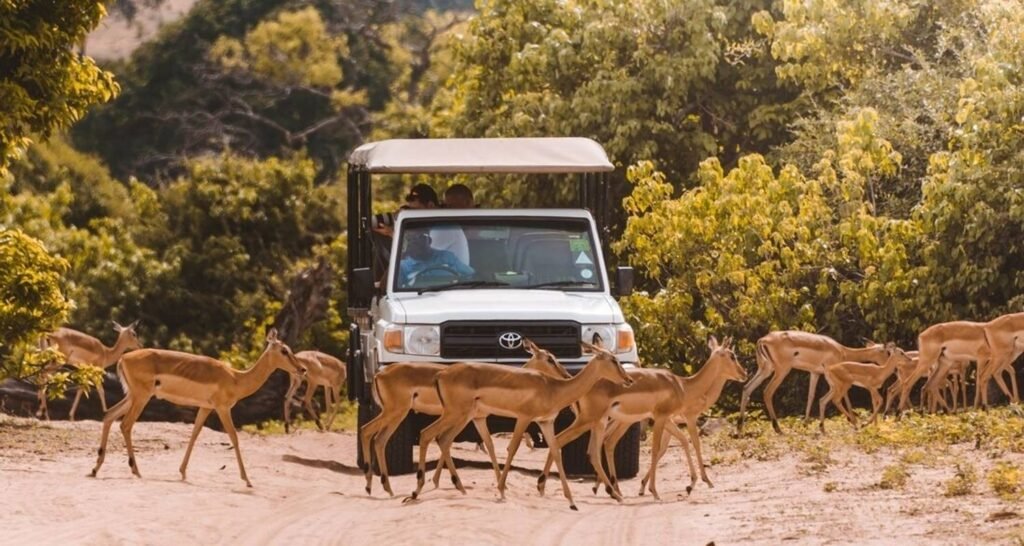
This is the biggest mistake I see people make when visiting Africa. They plan this incredible safari. They’ve booked flights, sorted accommodation, arranged transport. Then they show up at the park entrance and discover they need permits they don’t have. Or payment methods they can’t provide. Or vaccinations they haven’t received.
I watched a family get turned away from Serengeti because they’d assumed they could just show up. They’d traveled from Arusha three hours only to turn around and come back the next day with proper documentation.
The fix: Research park requirements months before you travel. Each park has different rules. Different booking systems. Different payment requirements.
Take Kruger National Park in South Africa. You can book online, pay by card, and entry is straightforward. Compare that to some parks in Tanzania or Kenya where you might need permits booked weeks in advance, payment in cash (US dollars, specifically), and proof of yellow fever vaccination.
GetYourGuide offers pre-arranged park access and guided tours across Africa, removing the stress of sorting permits, entry fees, and local guides yourself. They handle the logistics so you just show up and experience the wildlife.
For the major African parks, here’s what you typically need:
Kruger National Park (South Africa):
- Online booking recommended, especially during peak season
- Valid passport
- Conservation fees (paid online or at gate)
- Self-drive allowed, or guided tours available
Serengeti National Park (Tanzania):
- Entry permits required (usually arranged through tour operators)
- Cash payment in USD for park fees
- Licensed guide mandatory in some sections
- Yellow fever certificate if coming from certain countries
Masai Mara (Kenya):
- Park fees payable at entry
- USD cash preferred
- Guide recommended but not always mandatory
- Best during Great Migration (July-October)
Chobe National Park (Botswana):
- Permits required, book in advance
- No self-drive in some areas
- Guided safaris mandatory in certain zones
- Combination of land and water safaris available
Etosha National Park (Namibia):
- Daily permits needed
- Self-drive permitted
- Book accommodation inside park well in advance
- Waterhole viewings from rest camps
Book your park visits during the dry season when animal viewing is optimal. Dry season means animals congregate around water sources, making them easier to spot. Wet season offers lush landscapes but animals disperse, making sightings more challenging.
Pack correctly for safari parks. Neutral colors (khaki, green, beige) help you blend in. Avoid bright colors that might disturb wildlife. Bring binoculars, a good camera with zoom lens, sunscreen, insect repellent, and a hat.
Arrive at park gates early. Most parks open at sunrise when animals are most active. The first two hours of daylight offer the best viewing opportunities. Late arrivals mean midday heat when most animals rest in shade.
Mistake 5: Ignoring Connectivity Issues
You land in Africa expecting your phone to work like it does at home. It doesn’t. Roaming charges are insane. Local SIM cards require registration with your passport. Some places have zero phone signal.
I spent my first three days in Uganda without internet because I didn’t sort connectivity before arrival. Couldn’t access maps. Couldn’t contact my accommodation. Couldn’t look up restaurant recommendations. Basically traveled blind until I figured it out.
The fix: Sort your connectivity before you leave home. Don’t rely on finding a local SIM card shop at the airport at midnight.
Airalo offers eSIMs for most African countries that you install on your phone before departure. You land with immediate data access. No hunting for SIM card shops. No registration hassles. No surprise roaming bills.
How eSIMs work: you buy a data package online, install it on your phone (takes two minutes), and activate it when you land. Your phone number stays the same for calls and texts, but data routes through the local eSIM. Cheaper than roaming. More convenient than local SIM cards.
Coverage varies by country. Kenya and South Africa have excellent coverage in cities and major tourist areas. Rural areas can be patchy. Tanzania has decent coverage along tourist routes. Zimbabwe and Zambia coverage is improving but remains inconsistent outside main cities.
Download offline maps before you travel. Google Maps lets you download entire regions for offline use. Essential for navigation when signal disappears. Mark your accommodation, restaurants, attractions, and emergency contacts.
Download essential apps before departure:
- Translation apps with offline dictionaries
- Currency converters that work offline
- Your accommodation booking confirmations
- Flight details and boarding passes
- Copy of your insurance policy
- Emergency contact numbers
Tell your bank you’re traveling. Many cards get frozen when used abroad unexpectedly. A quick call or app notification prevents this headache.
Carry a portable charger. Power outages happen across Africa. Some rural accommodations lack reliable electricity. A fully charged power bank means your phone stays functional regardless.
The Preparation Checklist That Saves Trips
Three months before departure:
- Research visa requirements
- Book flights using comparison tools
- Check park entry requirements
- Buy comprehensive travel insurance
One month before:
- Book accommodation after reading recent reviews
- Arrange park permits and guided tours
- Get required vaccinations
- Set up eSIM for connectivity
One week before:
- Download offline maps and apps
- Inform your bank about travel dates
- Confirm all bookings
- Pack appropriate clothing for safaris
The day before:
- Check in online for flights
- Charge all devices
- Print essential documents (insurance, bookings, permits)
- Activate your eSIM if needed
Why This Matters
Travel mistakes in Africa aren’t just inconvenient. They’re expensive. Stressful. Sometimes dangerous.
But they’re avoidable. Almost entirely avoidable with proper planning.
I’ve made these mistakes so you don’t have to. I’ve missed flights, stayed in awful accommodation, paid for medical treatment, got turned away from parks, and wandered lost without connectivity.
Each mistake taught me something. Each disaster was preventable.
Africa is spectacular. The wildlife is unmatched. The landscapes are breathtaking. The people are welcoming. The experiences are life-changing.
Don’t let preventable mistakes ruin your trip. Don’t waste money on roaming charges when eSIMs cost a fraction. Don’t risk medical bills when insurance costs less than a nice dinner. Don’t miss your safari because you didn’t research park requirements.
Plan properly. Research thoroughly. Book smartly. Travel confidently.
Your African adventure awaits. Make sure you’re ready for it.
Sort your flights, accommodation, insurance, park access, and connectivity before you leave. Tick every box on the checklist. Remove every possible point of failure.
Then relax and enjoy one of the most remarkable continents on Earth.
Because when everything’s sorted properly, when you’ve avoided the common mistakes, when you’re connected and insured and prepared—that’s when the real adventure begins.
That’s when you stop worrying about logistics and start experiencing the magic.
That’s when Africa shows you why millions of travelers return again and again.
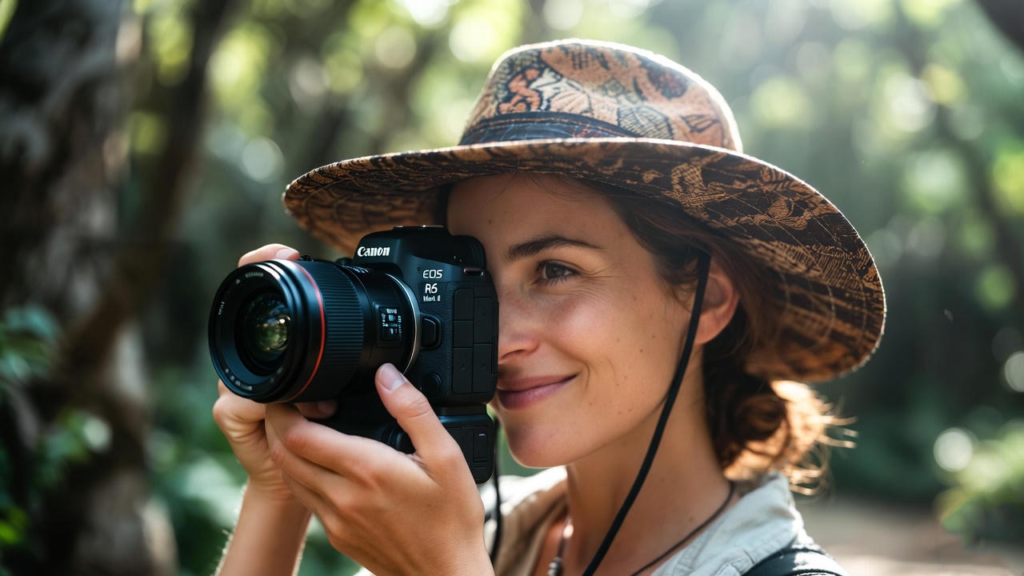
Bonus: Capture Every Moment Properly
One final mistake I see constantly: travelers bringing inadequate camera gear for African safaris. Your phone won’t cut it when photographing lions from fifty meters away. Trust me.
You need proper equipment. A camera with decent zoom capability. A sturdy bag that protects your gear from dust and bumps during game drives. A reliable tripod for those stunning sunset shots over the savanna.
Get professional travel photography gear here – cameras with powerful zoom lenses, weather-resistant camera bags designed for safari conditions, and lightweight tripods that won’t weigh you down during your adventure.
The wildlife moments you’ll witness happen fast. A cheetah sprinting across the plains. Elephants gathering at a waterhole at golden hour. A leopard draped over a tree branch. These shots require proper equipment, not just good intentions.
Invest in the gear. Protect your investment with a proper bag. Stabilize your shots with a decent tripod. You’ll thank yourself when you’re home reviewing photos that actually capture the majesty of what you witnessed.
Start planning now. Avoid the mistakes. Bring the right equipment. Create the trip you’ll remember forever.