

Planning a trip to Africa? You’re about to embark on one of the most incredible adventures of your life. After visiting 12 African countries over the past seven years, I’ve learned that proper preparation makes all the difference between a stressful experience and the journey of a lifetime.
Whether you’re heading to the savannas of Kenya, the beaches of Zanzibar, or the vibrant markets of Marrakech, this comprehensive guide will help you prepare for everything the African continent has to offer.
Health Preparations: Your First Priority
Vaccinations and Medical Requirements
Start your health preparations at least 8-12 weeks before departure. Many African countries require specific vaccinations, and some take multiple doses over several weeks.
Essential vaccinations to discuss with your doctor:
- Yellow fever (mandatory for many countries and required for entry)
- Hepatitis A and B
- Typhoid
- Tetanus-diphtheria
- Meningitis (especially for the Sahel region)
- Rabies (if you’ll be in rural areas or working with animals)
Yellow fever certification is non-negotiable for countries like Kenya, Ghana, and Uganda. You’ll need to carry your International Certificate of Vaccination (yellow card) everywhere. I keep mine in a waterproof sleeve alongside my passport.
Malaria Prevention
Malaria remains a serious concern across much of sub-Saharan Africa. Consult a travel medicine specialist about antimalarial medication options. Each has different side effects and dosing schedules, so discuss what works best for your itinerary and health profile.
Beyond medication, pack DEET-based insect repellent (at least 30% concentration) and consider treating your clothing with permethrin. I swear by sleeping under a mosquito net, even in hotels that claim to be mosquito-free.
Malaria prevention essentials:
- Antimalarial prescription medication
- Premium DEET insect repellent (50% DEET recommended)
- Permethrin-treated mosquito net
- Long-sleeved, lightweight clothing in light colors
Travel Insurance: Absolutely Essential
This isn’t optional. African hospitals vary wildly in quality, and medical evacuation can cost upwards of $100,000. Choose a policy that covers emergency medical treatment, hospitalization, medical evacuation, adventure activities like safaris and hiking, trip cancellation, and lost belongings.
I’ve used comprehensive travel insurance on every single African trip, and it saved me thousands when I contracted a serious illness in Tanzania. Compare travel insurance options here to find coverage that fits your needs and budget. Read the fine print carefully regarding pre-existing conditions and adventure activities.
Visa Requirements and Documentation
Research Country-Specific Visa Rules
Visa requirements vary dramatically across Africa’s 54 countries. Some offer visa-on-arrival, others require advance applications, and a few are moving toward e-visas.
Popular destinations and their visa policies:
- Kenya: e-Visa required ($51)
- Tanzania: Visa on arrival available ($50-100 depending on nationality)
- Morocco: Visa-free for many nationalities (90 days)
- South Africa: Visa-free for many nationalities (90 days)
- Egypt: e-Visa or visa on arrival ($25)
Always check the official embassy website for your specific nationality. Regulations change frequently, and third-party sites aren’t always updated.
Essential Documents to Prepare
Create both physical and digital copies of your passport (valid for at least 6 months beyond travel dates), visa confirmations, vaccination records, travel insurance policy details, flight confirmations and hotel reservations, emergency contacts, and photocopies of credit cards.
Store digital copies in cloud storage and email them to yourself. I also leave copies with someone back home who can access them if needed.
Money Matters and Financial Planning
Currency and Cash Considerations
Cash remains king in much of Africa, especially outside major cities. While Cape Town and Nairobi have extensive card infrastructure, rural areas operate almost exclusively on cash.
Currency strategy:
- Bring US dollars (crisp, new bills post-2006 for countries like Tanzania and Zimbabwe)
- Exchange money at airports or reputable banks, avoiding street exchangers
- Withdraw local currency from ATMs in major cities
- Keep small denominations for taxis, tips, and markets
Never exchange all your money at once. Rates can vary significantly between cities, and you might get better deals in tourist hubs.
Credit Cards and ATMs
Notify your bank before traveling to prevent your cards from being blocked. Pack at least two different credit cards from different networks, and keep them in separate locations for security.
ATM availability varies widely. In countries like South Africa, Kenya, and Morocco, they’re everywhere. In rural areas or smaller countries, they can be scarce or unreliable. Always have a cash backup.
Financial tips:
- Use a no foreign transaction fee credit card
- Carry a money belt or hidden pouch for large amounts
- Keep emergency cash separate from your daily wallet
- Budget $50-150 per day depending on your travel style and country
Packing Essentials for African Travel
Clothing Considerations
Pack for versatility and respect local customs, especially in predominantly Muslim countries across North and West Africa.
Core wardrobe essentials:
- Lightweight, breathable long-sleeved shirts (sun and mosquito protection)
- Comfortable walking shoes and sturdy hiking boots
- Sandals for beach and casual wear
- Wide-brimmed hat for sun protection
- Light jacket or fleece (African nights can be surprisingly cold)
- Swimwear
- Modest clothing for cultural sites (knees and shoulders covered)
Choose neutral colors for safaris (beige, khaki, olive) and avoid bright colors or black, which attracts tsetse flies.
Health and Safety Items
Beyond the usual toiletries, these items have saved me countless times:
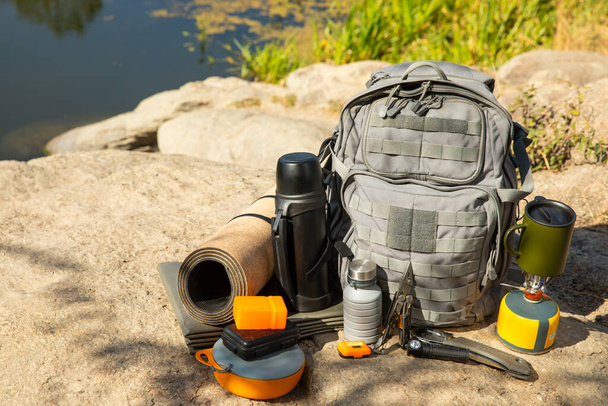
- Comprehensive first-aid kit with bandages, antiseptic, and basic medications
- Water purification tablets or portable water filter
- Hand sanitizer (bring lots)
- Sunscreen SPF 50+ (expensive and hard to find in many African countries)
- Oral rehydration salts for traveler’s diarrhea
- Basic medications (pain relievers, anti-diarrheal, antihistamines)
- Headlamp or flashlight (power outages are common)
- Universal power adapter (African countries use various plug types)
I recommend checking out quality travel gear and equipment here to ensure you have reliable items that won’t fail you in remote locations.
Technology and Communication

Staying connected in Africa has become much easier with modern technology. Your smartphone will be your most valuable tool, but you’ll need proper connectivity.
For seamless international connectivity without the hassle of buying local SIM cards in every country, get an eSIM with data coverage across multiple African countries. This has been a game-changer for me, allowing instant connectivity the moment I land without searching for SIM card vendors or dealing with registration requirements.
Tech essentials:
- Smartphone with offline maps downloaded
- Portable power bank (10,000+ mAh minimum)
- Camera with extra batteries and memory cards
- Waterproof dry bag for protecting electronics
- Charging cables and adaptors
Booking Flights and Accommodation
Finding the Best Flights
Book international flights 2-3 months in advance for the best deals. Consider flying into one city and out of another to maximize your itinerary without backtracking. Multi-city tickets often cost only slightly more than round-trip fares.
Search and compare flight options to African destinations to find the best routes and prices. I’ve found that flying on weekdays and being flexible with dates can save hundreds of dollars.
African airlines have improved dramatically in recent years. Don’t automatically dismiss them in favor of European carriers—you might get better service and save money.
Securing Quality Accommodation
Accommodation in Africa ranges from budget hostels to ultra-luxury safari lodges. Book well in advance, especially during peak seasons when the best properties sell out months ahead.
Browse and book verified accommodations across Africa with genuine reviews from fellow travelers. I always filter by guest ratings and read recent reviews carefully, paying attention to comments about cleanliness, safety, and WiFi reliability.
Accommodation tips:
- Read reviews from travelers, not just the star rating
- Confirm airport transfers in advance
- Check if breakfast is included
- Verify WiFi availability if you need to work
- Ask about security features in urban areas
- Consider location carefully—cheaper places far from attractions cost more in transport
Safety Awareness and Cultural Sensitivity
Understanding Local Customs
Africa’s cultural diversity is staggering. What’s acceptable in one country might be offensive in another. Research your specific destinations, but some universal principles apply:
Cultural etiquette:
- Always ask permission before photographing people
- Dress modestly, especially in rural areas and religious sites
- Use your right hand for eating and greeting (the left is considered unclean in many cultures)
- Learn basic greetings in the local language (it opens doors)
- Remove shoes when entering homes
- Avoid public displays of affection
Safety Precautions
Africa isn’t inherently dangerous, but like anywhere, you need street smarts. Most issues tourists face are petty theft and scams, both easily avoided with common sense.
Stay safe by:
- Avoiding walking alone at night in cities
- Using reputable taxi services or ride-sharing apps
- Keeping valuables hidden and not flashing expensive jewelry or cameras
- Being wary of overly friendly strangers offering deals or tours
- Staying in well-reviewed accommodations
- Trusting your instincts
I’ve traveled solo across Africa multiple times and never had serious safety issues. The vast majority of Africans are genuinely welcoming and helpful. Be sensible, not paranoid.
Food and Water Safety
The fastest way to ruin an African adventure is foodborne illness. These simple rules will protect you:
Safe eating guidelines:
- Drink only bottled or purified water (check seals are intact)
- Avoid ice in drinks unless you’re certain about water quality
- Eat thoroughly cooked, hot food
- Peel fruits yourself
- Avoid raw vegetables unless washed in purified water
- Choose busy restaurants with high turnover
- Use reputable street food vendors (where locals eat)
Don’t let fear prevent you from experiencing local cuisine. Some of my best memories involve eating in local restaurants and markets. Just be selective and observe basic hygiene.
Planning Activities and Tours
Safari Planning
If wildlife viewing is on your agenda, research thoroughly before booking. Safari quality varies enormously, and this isn’t an area to cut corners. Budget operators often compromise on guide expertise, vehicle quality, and ethical practices.
Expect to pay $150-500+ per person per day for quality safaris in East Africa, with Southern African safaris often costing more. The price includes park fees, guides, vehicles, and usually accommodation and meals.
Explore and book safari tours with verified operators to ensure you’re getting legitimate services with proper insurance and licensing. Read recent reviews carefully and don’t hesitate to ask operators detailed questions about their vehicles, guide qualifications, and exact itineraries.
Other Activities to Consider
Beyond safaris, Africa offers incredible diversity:
- Trekking Mount Kilimanjaro or the Atlas Mountains
- Diving or snorkeling in Zanzibar, Mozambique, or Egypt
- Cultural tours of Marrakech medinas or Cape Town townships
- Nile rafting in Uganda
- Sandboarding in Namibian dunes
- Gorilla trekking in Rwanda or Uganda
Book popular activities well in advance. Gorilla permits in Rwanda cost $1,500 and often sell out six months ahead.
Transportation and Getting Around
Internal Travel Options
Africa’s size means you’ll likely need internal flights or long overland journeys. Each option has trade-offs:
Internal flights: Save time on long distances but can be expensive and sometimes unreliable. Budget airlines have expanded throughout Africa, making flights more accessible.
Overland travel options:
- Private drivers (most comfortable but pricey, $50-150/day)
- Shared minibuses (cheap, adventurous, cramped)
- Tourist shuttles (good middle ground for popular routes)
- Self-drive rental cars (possible in Southern Africa)
I prefer a mix depending on distance and budget. For journeys over 8 hours, I fly. For shorter trips or scenic routes, I go overland.
Self-Driving Considerations
Self-driving works well in South Africa, Namibia, and Botswana where roads are generally good and infrastructure reliable. It’s not recommended in most other African countries due to road conditions, unclear signage, and security concerns.
If you do self-drive, rent a 4×4 with proper insurance, carry physical maps as backup, and never drive after dark outside cities.
Climate Considerations and Best Times to Visit
Africa straddles the equator, creating diverse climate zones. The “best time to visit” depends entirely on your destinations and priorities.
General guidelines:
- East Africa safaris: June-October (dry season, best wildlife viewing)
- Southern Africa: May-October (dry winter, ideal for safaris)
- North Africa: March-May and September-November (avoiding extreme heat)
- West Africa: November-February (dry season)
- Indian Ocean islands: May-December (outside cyclone season)
Research specific countries and regions carefully. Africa’s size means you could need shorts and a down jacket on the same trip. I learned this the hard way in Ethiopia, where Addis Ababa was chilly while the Danakil Depression felt like an oven.
Environmental Responsibility
Sustainable tourism protects the incredible ecosystems and communities that make Africa special. Consider these practices:
- Choose eco-certified lodges and tour operators
- Avoid single-use plastics (many African countries have banned plastic bags)
- Respect wildlife viewing guidelines (maintain distance, never feed animals)
- Support local businesses and communities directly
- Learn about and respect conservation efforts
- Purchase souvenirs directly from artisans rather than middlemen
- Use reef-safe sunscreen for beach destinations
- Don’t participate in activities that exploit animals
Tourism dollars can genuinely help conservation and communities when directed thoughtfully. Ask questions about where your money goes.
Final Preparations: One Week Before Departure
Checklist:
- ✓ Confirm all flights and accommodations
- ✓ Register with your embassy
- ✓ Arrange airport transfers
- ✓ Check travel advisories one final time
- ✓ Verify passport validity and visa approvals
- ✓ Pack prescription medications in original containers
- ✓ Charge all electronic devices and power banks
- ✓ Exchange initial cash or locate ATMs at arrival airport
- ✓ Download offline maps and essential apps
- ✓ Brief someone at home on your itinerary
- ✓ Arrange mail and plant care
- ✓ Set email auto-responder
- ✓ Check baggage weight limits
- ✓ Print important documents as backup
Managing Expectations and Embracing Adventure
Africa operates on “African time.” Buses leave late, plans change, and things rarely go exactly as scheduled. This isn’t a bug—it’s a feature. The sooner you embrace flexibility, the more you’ll enjoy your trip.
Some of my best African memories came from unexpected detours: the matatu breakdown that led to tea with a local family, the missed bus that meant an extra day in a stunning town I’d planned to skip, the “shortcut” that turned into an adventure.
Pack patience along with your antimalarials. Bring curiosity alongside your camera. Stay open to spontaneity even as you plan carefully.
Health Considerations During Your Trip
Staying Healthy on the Road
Beyond pre-trip preparations, maintaining health during your journey requires ongoing attention:
Daily health habits:
- Wash hands frequently (before eating, after bathrooms, after markets)
- Stay hydrated (6-8 bottles of water daily in hot climates)
- Get adequate rest (travel fatigue lowers immunity)
- Apply sunscreen every 2-3 hours
- Use insect repellent at dawn and dusk
- Avoid touching your face
- Listen to your body’s warning signs
When to Seek Medical Care
Know when to tough it out versus seeking medical attention. Seek immediate care for:
- High fever (especially with headache or body aches)
- Severe diarrhea lasting more than 24 hours
- Difficulty breathing
- Severe allergic reactions
- Deep cuts or animal bites
- Symptoms of malaria (even if taking prophylaxis)
Research quality hospitals and clinics before you need them. Ask your accommodation for recommendations. In major cities, private international clinics offer excellent care.
Communication Tips
Language Barriers
English is widely spoken in East and Southern Africa, French dominates West and Central Africa, while Arabic prevails in North Africa. Portuguese is used in Mozambique and Angola.
Bridging the gap:
- Learn 10-20 basic phrases in the local language
- Use translation apps with offline capability
- Carry a phrasebook as backup
- Communicate with gestures and patience
- Smile—it’s universal
- Write down important information
Internet and Connectivity
WiFi availability has improved dramatically but remains inconsistent. Major hotels offer WiFi, but it’s often slow. Cafes in tourist areas usually have decent connections.
Your eSIM data will be invaluable for maps, translations, and staying in touch. Download entertainment and important documents in advance for offline access.
Budget Planning: Real Costs
Africa can be remarkably affordable or surprisingly expensive depending on your choices. Here’s realistic daily budgeting:
Budget travel ($30-50/day):
- Hostels or basic guesthouses
- Street food and local restaurants
- Public transport or shared minibuses
- Self-guided activities
- Local beers instead of imported
Mid-range travel ($80-150/day):
- Comfortable hotels or mid-range lodges
- Mix of local and tourist restaurants
- Private drivers or tourist shuttles
- Guided day tours
- Occasional splurges
Luxury travel ($300+/day):
- High-end lodges and hotels
- Fine dining and room service
- Private guides and vehicles
- Premium safaris
- Bush flights and conveniences
Remember that safaris significantly increase costs regardless of your usual budget level.
Embrace the Journey
Africa will challenge you, surprise you, and ultimately transform you. The preparation might seem overwhelming, but it’s absolutely worth it. From watching the Great Migration to shopping in vibrant markets, from diving in crystal-clear waters to sharing tea with nomadic herders, Africa offers experiences found nowhere else on Earth.
The key is balancing preparation with flexibility. Research thoroughly but stay open to spontaneity. Plan carefully but don’t over-schedule. Pack smart but travel light. Stay safe but take calculated risks.
You’ll return home with incredible stories, stunning photos, and probably some lingering wanderlust. Africa has a way of calling people back—I’ve visited 12 times and I’m already planning my next trip.
The preparation you’re doing now will pay dividends throughout your journey. Every vaccination, every backup document, every careful planning decision removes friction and stress, letting you focus on the incredible experiences ahead.
Welcome to Africa. Your adventure begins now.
Disclosure: This article contains affiliate links. If you make a purchase through these links, I may earn a small commission at no additional cost to you. This helps support my travels and allows me to continue creating helpful content for fellow travelers. I only recommend services I personally use and trust.