


The taxi’s arriving at dawn. The suitcase sits by the door, zipped and ready. Yet that familiar knot of anxiety tightens the nagging certainty that something crucial has been overlooked. It’s a sensation every seasoned traveller recognizes, and frankly, it never quite disappears.
What separates a smooth departure from absolute chaos isn’t obsessive planning or militant checklists. It’s understanding which details genuinely matter and which are merely noise. The difference between arriving in Marrakech with everything sorted versus spending precious holiday hours desperately ringing banks or hunting for SIM cards.
Let’s cut through the waffle and focus on what actually deserves attention in those final hours before departure.
The Financial Disasters Most People Trigger

Banks operate on hair-trigger suspicion. A card suddenly being used in Bali raises red flags, triggering automatic freezes that leave travellers stranded outside hotels, unable to pay for anything. This scenario plays out thousands of times daily across the globe, yet most people never think to prevent it.
The solution takes five minutes: notify banks of travel dates and destinations. Every bank. Every credit card company. Different institutions, different systems, same potential nightmare. It’s tedious but non-negotiable.
Here’s the bit that catches even experienced travellers: relying on a single card is madness. Cards fail. Machines eat them. Magnetic strips demagnetize. Always carry backup options from different providers. Better still, international payment cards designed for travellers eliminate the extortionate exchange rate markups traditional banks impose whilst providing reliable backup when primary cards inevitably cause drama.
Photograph every card—front and back. Store these images securely but accessibly. When reporting a lost card from a foreign country, having the sixteen-digit number immediately available rather than attempting to recall it through panic is rather helpful.
The Insurance Nobody Wants Until They Desperately Need It
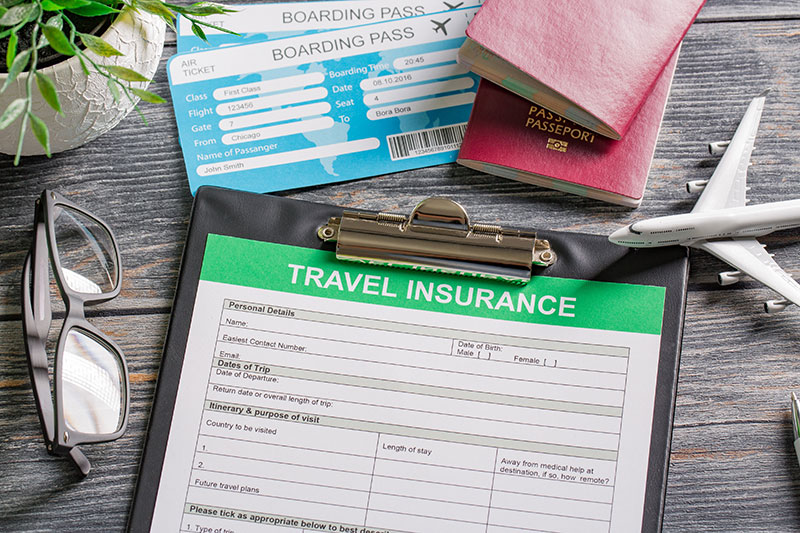
Travel insurance feels like money thrown at unlikely scenarios. Until someone takes a tumble hiking in Peru, breaks their ankle, and faces an £8,000 medical bill. Or until flights get cancelled mid-trip, requiring expensive rebooking. Or until luggage goes missing—which happens to roughly 25 million bags annually.
Standard policies are riddled with exclusions. The fine print matters enormously. Adventure sports coverage isn’t included in basic packages, which means that seemingly innocent moped ride or casual snorkelling session could void the entire policy. Medical evacuation coverage sounds dramatic until someone’s stranded in a remote location requiring urgent transport to proper facilities.
Comprehensive travel insurance that covers more than just the basics proves its worth when disaster strikes. Twenty-four-hour helplines with actual English-speaking humans, trip cancellation protection, lost luggage coverage, and proper medical provisions including evacuation—these aren’t luxuries for paranoid travellers. They’re sensible precautions for anyone who’s seen how quickly things can go sideways abroad.
Reading the policy properly before purchasing saves considerable anguish later. What’s excluded matters as much as what’s covered.
The Connectivity Trap That Costs a Fortune

International roaming charges represent highway robbery dressed up as convenience. Stories abound of people returning from week-long trips to phone bills exceeding £300 because data roaming remained enabled. For that money, one could buy decent camera equipment and not bother with a phone at all.
The modern solution eliminates this entirely: eSIM technology provides instant connectivity without the roaming fees or hassle of hunting foreign SIM card shops. Digital activation happens before departure, data coverage spans multiple countries, and costs remain reasonable rather than extortionate. The moment the plane lands, internet access works. Maps function. Translation apps respond. Research into dodgy-looking restaurants becomes possible before committing to them.
For luxury travellers, losing hours of precious holiday time to connectivity issues is unacceptable. Having data means maintaining efficiency, accessing information immediately, and avoiding the indignity of asking strangers for wifi passwords.
The Equipment That Separates Smooth Travel from Chaos

Most packing lists state the obvious: bring underwear and toiletries. Patronising and useless. The items that genuinely matter are the ones people don’t consider until they’re desperately needed.
A quality universal travel adapter with USB ports prevents electrical disasters. Not just any adapter—one rated for global use that won’t catch fire or fail spectacularly. The number of hairdryers that have met untimely ends due to voltage mismatches is probably statistically significant. Proper universal adapter kits handle different plug configurations and voltage requirements across continents without drama.
Portable chargers with serious capacity are non-negotiable. Phones die at the worst moments—typically when lost, attempting to navigate back to accommodation, with 4% battery remaining. The cheap ones provide false security. Invest in substantial capacity that could feasibly charge devices multiple times.
Packing cubes seem unnecessarily fussy until experienced firsthand. Then they become essential. Everything has designated space, items can be located without dismantling entire suitcases, and repacking takes minutes instead of chaotic stuffing sessions. Small organizational tool, disproportionate impact.
Quality water bottles with filtration systems make sense for destinations with questionable tap water. Buying bottled water for extended trips becomes expensive and environmentally problematic. Having personal bottles means filling up at airports post-security, avoiding both expense and the parched feeling during long flights.
The Experiences That Require Advance Planning

The world’s most remarkable experiences sell out weeks or months ahead. The Alhambra in Granada limits daily visitors. Machu Picchu permits disappear rapidly. The Anne Frank House in Amsterdam books solid for weeks. Assuming one can simply turn up on the day leads to disappointment and wasted travel opportunities.
Research the absolute must-do activities for each destination and secure bookings now. Platforms offering curated local experiences provide access to everything from cooking classes with local families to guided explorations beyond tourist circuits. Quality offerings include knowledgeable local guides rather than teenagers reading scripts.
The balance matters, though. Over-scheduling eliminates spontaneity—the wandering without plans, the following of local recommendations, the serendipitous discoveries that often become the best travel memories.
The Digital Preparations That Prevent Disasters
Photograph all official documents: passports, visas, driver’s licenses, prescriptions, anything remotely important. Email these to personal accounts. Store in cloud services. The objective is accessibility from any device, anywhere, should physical versions disappear.
Download offline maps of destinations on Google Maps. Data fails. Wifi disappoints. Offline maps work regardless. Mark accommodation, nearby pharmacies, police stations, and embassies. Being able to navigate without connectivity provides substantial reassurance.
Check phone roaming settings and disable anything potentially expensive. Delete unused apps to free storage photographs will accumulate rapidly, and running out of space at crucial moments is frustrating.
Share complete itineraries with someone reliable back home. Not from paranoia, but practicality. If something goes wrong, someone knows where one should be. Include accommodation addresses, flight details, rough plans. Fifteen minutes of effort provides considerable peace of mind.
The Health Considerations Easy to Overlook
Prescription medications require checking well before departure. Sufficient quantities for the entire trip plus extra days for potential delays? Original packaging with intact labels? Some countries enforce strict regulations about medications, even common ones.
Verify vaccination requirements for destinations. Some need multiple doses spread over weeks. Yellow fever certificates are mandatory for certain countries. Last-minute checks could mean not travelling at all.
Pack modest medical kits: plasters, antihistamines, pain relief, rehydration sachets, prescriptions. Hotel shops charge obscene amounts for basics, and sourcing paracetamol from foreign pharmacies whilst feeling unwell is nobody’s preferred activity.
The Final Day Before Departure
Panic typically sets in twenty-four hours before departure. People make questionable decisions—midnight repacking sessions, suddenly purchasing new luggage, adding unnecessary items out of anxiety.
Instead, lay out everything intended for the trip. Every single item. Then remove approximately twenty percent. Overpacking is universal. Those four extra pairs of shoes? Two will actually get worn. Seven jumpers for a week in Thailand? Optimistic.
Check baggage allowances and weigh luggage now, not at the airport where excess fees will prove expensive. If over the limit, cut ruthlessly. Hardback books become Kindle versions. Full-size toiletries get decanted into travel bottles.
Charge everything: phones, tablets, headphones, cameras, portable chargers, e-readers. Full charges for all devices. Settling into long-haul flights only to discover dead noise-cancelling headphones is particularly annoying.
Handle domestic details: empty fridges of perishables, take out bins, water plants or arrange coverage, adjust heating, lock windows. These seemingly trivial tasks prevent worry whilst abroad. Lying on Mauritian beaches whilst suddenly wondering about forgotten irons ruins relaxation.
The Perspective That Actually Matters
Travel preparation isn’t about eliminating all uncertainty—that’s impossible. It’s about mitigating controllable disasters whilst accepting that unpredictable things happen regardless. Bags get stolen in Barcelona. Flights get missed in Singapore. Food poisoning strikes in Delhi. Taxi drivers get accidentally insulted through catastrophic pronunciation in Athens.
But being stranded without insurance when needed? Avoidable. Being unable to access money? Preventable. Finding oneself completely disconnected and lost? Unnecessary. These basics get sorted before departure.
Triple-check passport validity—minimum six months beyond return dates for most countries. Confirm accommodation bookings. Ensure someone has emergency contact details. Sort insurance, finances, connectivity.
Then breathe. Trust the preparation was sufficient. Get excited about the adventure ahead.
The taxi arrives in hours. Everything else is handled.