
There’s something profoundly transformative about your first African safari. The moment you witness a lioness stalking through golden grass, her muscles rippling beneath tawny fur, or when a herd of elephants emerges from the dust with their young tucked safely between massive legs these aren’t just moments. They’re soul-shifting experiences that remind us of nature’s raw, unfiltered magnificence.
I’ve spent years exploring Africa’s wilderness areas, and I can tell you with absolute certainty: not all safari destinations are created equal. Each region offers distinct experiences, from the thundering drama of the Great Migration to the intimate privilege of locking eyes with a mountain gorilla in misty highlands.
Planning an African safari can feel overwhelming with so many incredible options. Which destination matches your dreams? When should you go? How much should you budget? This comprehensive guide answers these questions and more, helping you choose the perfect safari destination for an experience you’ll treasure forever.
Before diving into specific destinations, secure your travel essentials. Get Travel Insurance Here to protect your investment safari trips involve significant costs, and comprehensive coverage provides peace of mind for medical emergencies, trip cancellations, and lost belongings.
What Makes an African Safari Truly Unforgettable
An exceptional safari transcends simply seeing animals. It’s about connection to wilderness, to wildlife, to something greater than ourselves. The best safari experiences combine several key elements.
Wildlife diversity and density matter tremendously. Regions supporting abundant prey naturally attract predators, creating the dramatic interactions that make safaris thrilling. Areas like the Serengeti and Maasai Mara support massive herbivore populations, which in turn sustain healthy predator numbers.
Expert guides transform good safaris into extraordinary ones. A knowledgeable guide doesn’t just spot animals they read landscapes, interpret behavior, and share insights that deepen your understanding. They know where leopards rest during midday heat and can predict where cheetahs might hunt as afternoon shadows lengthen.
The environment itself shapes your experience. Open savannas offer different viewing than dense forests. Seasonal transformations like the Okavango Delta’s annual flood or East Africa’s green season create unique opportunities that reward travelers who time visits strategically.
Accommodation quality significantly impacts your safari. Whether you choose budget camping or luxury lodges, comfort after long game drives matters. The best camps balance authenticity with amenities, positioning you close to wildlife without sacrificing essential comforts.
Finally, the intangible magic those unscripted moments when nature reveals something rare. A cheetah hunting at full speed. A elephant birth. A leopard dragging prey into a tree. These moments can’t be guaranteed, but choosing the right destination at the right time dramatically improves your odds.
Kenya: The Classic Safari Experience
Maasai Mara National Reserve
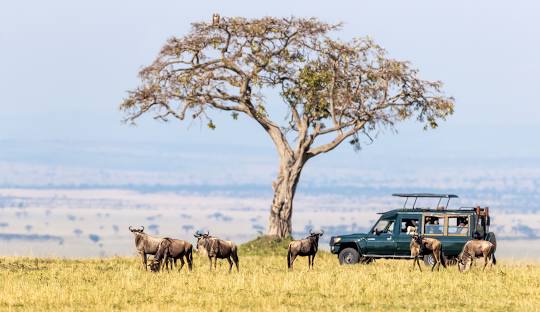
Kenya pioneered African safari tourism, and the Maasai Mara remains one of the continent’s most iconic wilderness areas. This ecosystem extends into Tanzania’s Serengeti, creating one of Africa’s largest and most important wildlife refuges.
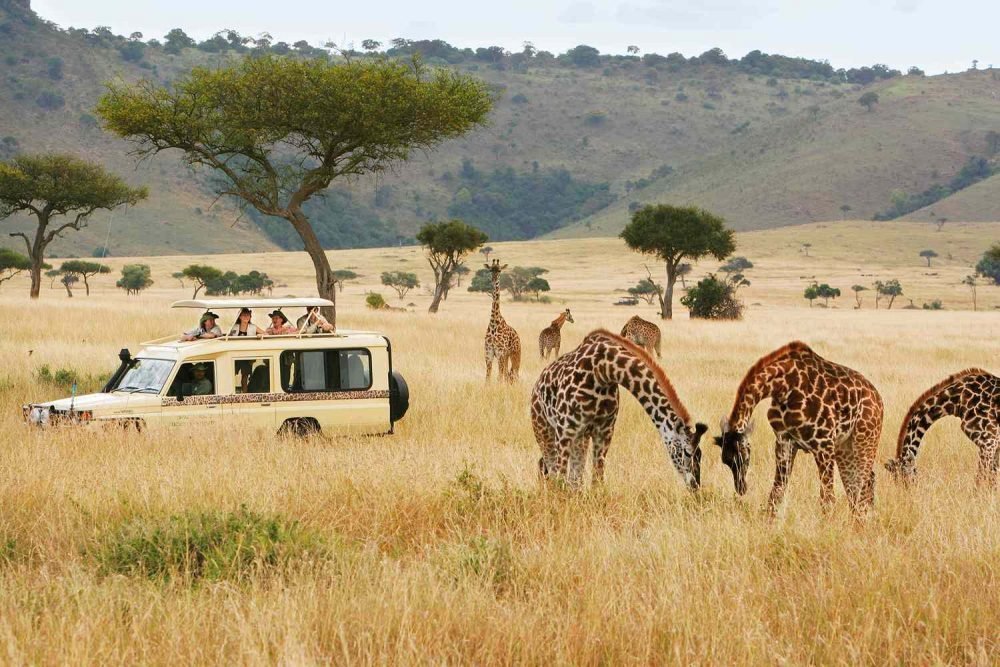
The Mara’s gently rolling grasslands support extraordinary wildlife concentrations year-round. Even outside migration season, you’ll encounter lions, leopards, cheetahs, elephants, and buffaloes the famous Big Five alongside giraffes, zebras, hippos, and countless antelope species.
Best Time to Visit: July through October for the Great Migration river crossings. January through February offers excellent general game viewing with fewer crowds and often lower prices.
Wildlife Highlights: The Great Migration sees over two million wildebeest, zebras, and gazelles crossing the Mara River in dramatic fashion. Crocodiles wait in murky waters while predators patrol riverbanks nature’s ultimate drama unfolds before your eyes. Beyond migration, the Mara supports some of Africa’s highest lion densities and offers exceptional cheetah viewing on open plains.
Unique Experience: Hot air balloon safaris at dawn provide breathtaking aerial perspectives. Floating silently above the savanna as the sun rises, watching wildlife emerge below, ranks among safari’s most romantic experiences.
Budget Tips: Consider conservancies bordering the main reserve. These private areas offer excellent wildlife viewing with fewer vehicles and often more reasonable rates than the reserve itself. Visit during shoulder seasons (April-June, November) when lodges slash prices significantly.
Planning your Kenyan safari? Book Safari Tours Here to access expert operators with excellent guides and prime camp locations.
Amboseli National Park
Amboseli offers something the Mara can’t spectacular views of Mount Kilimanjaro, Africa’s highest peak, serving as a dramatic backdrop to elephant herds. This park protects some of Kenya’s largest elephants, with bulls carrying truly impressive tusks.
The park’s compact size (151 square miles) means wildlife concentrates around swamps and springs, creating reliable viewing opportunities. Elephants dominate, but you’ll also encounter lions, cheetahs, hyenas, and over 400 bird species.
Best Time: June through October (dry season) for concentrated wildlife around water sources. January through February offers beautiful scenery with fewer tourists.
Tanzania: Serengeti and Beyond
Serengeti National Park
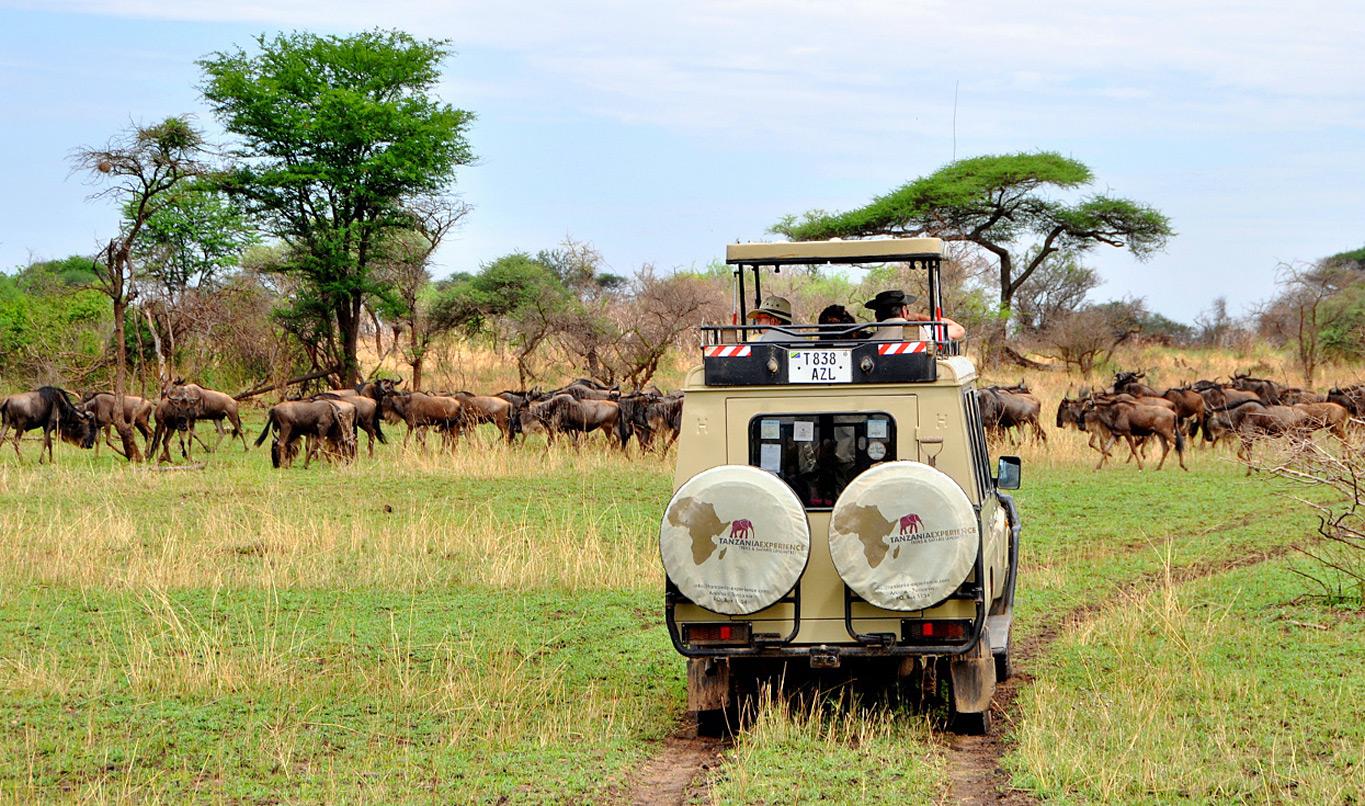
The Serengeti needs no introduction. Its name derived from the Maasai word “Siringet” meaning “endless plains” perfectly captures this ecosystem’s vastness. Spanning 5,700 square miles, the Serengeti represents African wilderness at its most pristine.
Best Time to Visit: The answer depends on what you want to see. December through March positions you for calving season in the southern Serengeti thousands of wildebeest calves born daily attract predators. June through July finds the migration in the western corridor, while August through October delivers famous Mara River crossings.
Wildlife Highlights: Beyond migration, the Serengeti supports resident wildlife populations that would make most parks envious. The Seronera region offers year-round big cat viewing, particularly leopards that rest in riverside fig trees. Kopjes granite rock outcrops—provide dens for lions and shelter countless smaller species.
Unique Experience: Mobile tented camps that follow the migration let you wake up in the midst of the action. These temporary camps move seasonally, positioning guests at the heart of wildlife concentrations.
Budget Tips: Visit during green season (April-May) when landscapes transform into lush beauty, baby animals abound, and lodge rates drop dramatically. Some operators close during these months, but those remaining offer exceptional value. Wildlife disperses more widely, but sightings remain plentiful for patient observers.
Ngorongoro Crater
The Ngorongoro Crater, actually a collapsed volcanic caldera, creates one of Earth’s most concentrated wildlife habitats. This natural amphitheater stretches 12 miles across and plunges 2,000 feet deep, containing approximately 25,000 large animals in just 100 square miles.
The crater’s unique geography creates a year-round water supply, meaning wildlife rarely migrates out. You’ll encounter the Big Five (the crater hosts Tanzania’s densest lion population), along with wildebeest, zebras, hippos, and the endangered black rhinoceros.
Best Time: Year-round destination, though June through October offers optimal weather. The crater gets crowded during peak season, so early morning descents provide the best experience before other vehicles arrive.
Stay connected during your Tanzanian safari. [Buy an eSIM for Africa Here – Affiliate Link] for reliable data coverage—essential for sharing incredible wildlife photos and keeping in touch with home.
South Africa: Diversity and Accessibility
Kruger National Park
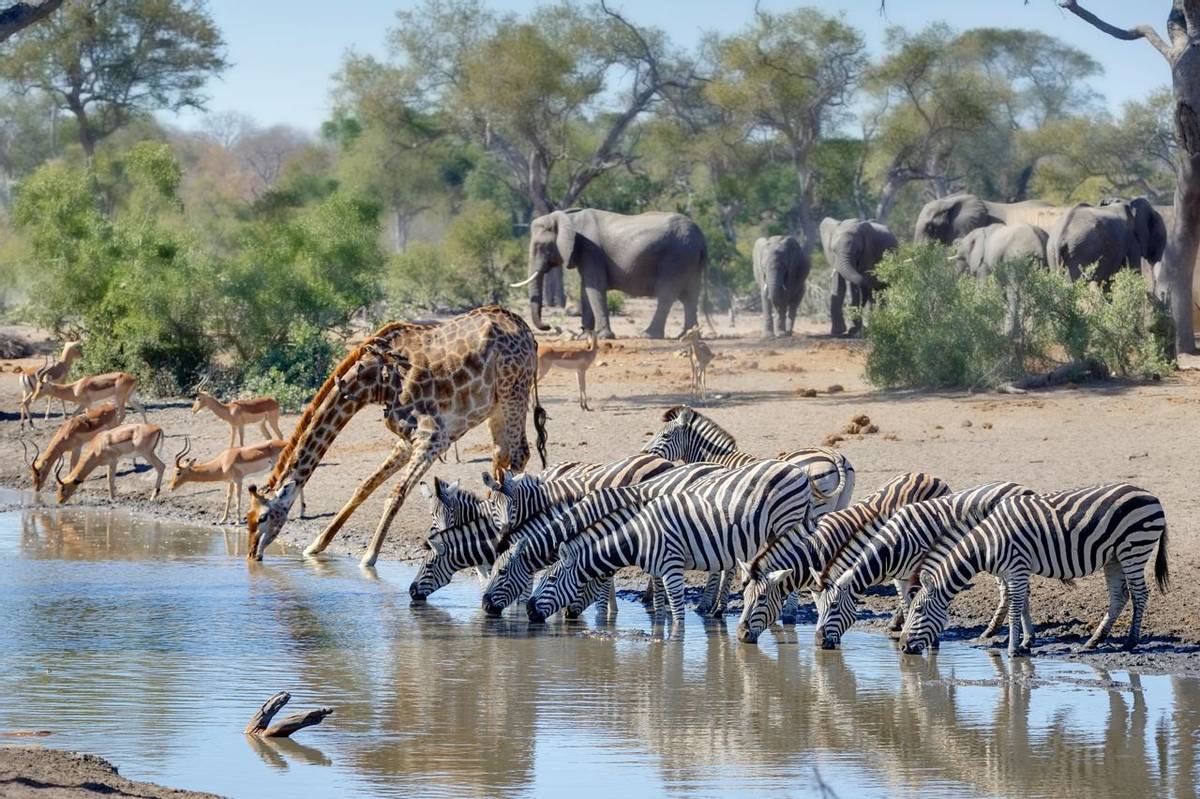
Kruger National Park’s reputation as one of Africa’s premier safari destinations is well-deserved. Larger than Israel, this massive reserve (7,523 square miles) protects incredible biodiversity 147 mammal species, over 500 bird species, and 114 reptile species.
What sets Kruger apart is accessibility and infrastructure. Well-maintained roads allow self-drive safaris, and accommodation options span every budget from basic campsites to ultra-luxury lodges. The park offers excellent value, making it perfect for first-time safari-goers or those watching budgets.
Best Time to Visit: May through September (dry season) concentrates wildlife around rivers and waterholes. October’s heat drives animals to water sources, creating spectacular viewing opportunities.
Wildlife Highlights: Kruger supports all Big Five in healthy numbers. The park’s southern region offers excellent general game viewing with good road networks, while the remote northern section provides a wilder, more exclusive experience.
Unique Experience: Private reserves bordering Kruger Sabi Sands, Timbavati, Manyeleti offer off-road driving and walking safaris impossible in the main park. These areas are famous for leopard sightings, particularly in Sabi Sands where habituated cats ignore vehicles.
Budget Tips: Self-driving and camping in Kruger’s rest camps costs a fraction of guided safari lodge packages. Rent a car, book affordable rest camps months ahead, and enjoy remarkable freedom exploring at your own pace.
Madikwe Game Reserve
Located near Botswana’s border, Madikwe offers a malaria-free safari experience—significant for families with young children or those concerned about malaria prophylaxis. This 290-square-mile reserve supports the Big Five plus endangered African wild dogs.
Madikwe operates on a private model no day visitors or self-driving permitted. This exclusivity means fewer vehicles and more intimate wildlife encounters. The reserve’s varied habitats support diverse wildlife beyond the famous species.
Best Time: Year-round destination with excellent game viewing in all seasons. Summer (November-March) brings migratory birds and newborn animals, while winter (May-September) offers easier predator viewing.
For your South African adventure, Book Hotels and Lodges Here to access properties with prime wildlife viewing positions and excellent reputations.
Botswana: Exclusive Wilderness
Okavango Delta
The Okavango Delta represents one of Earth’s most extraordinary ecosystems. This massive inland delta water from Angola’s highlands flowing into the Kalahari Desert creates an oasis supporting remarkable wildlife concentrations.
Unlike most African game viewing areas, the Okavango offers water-based safaris. Traditional mokoro (dugout canoe) excursions through reed-lined channels provide serene wildlife encounters. The combination of water and land-based activities creates uniquely diverse safari experiences.
Best Time to Visit: May through October when floodwaters peak and wildlife congregates around permanent water sources. This timing seems counterintuitive—flood season during the dry season because water takes months traveling from Angola’s rainy highlands.
Wildlife Highlights: The delta supports all major safari species, though rhinos remain rare. Elephants, buffaloes, and hippos thrive in aquatic environments. Predators follow prey, with lions swimming between islands and leopards stalking riverbanks. The Okavango also protects rare species like red lechwe and sitatunga antelope perfectly adapted to wetland life.
Unique Experience: Luxury camps accessible only by light aircraft epitomize exclusive safari experiences. Limited guest numbers and high guide-to-guest ratios ensure personalized attention. Night drives reveal nocturnal species—leopards, civets, genets, and owls—impossible to see during daylight hours.
Budget Tips: Botswana deliberately positions itself as a luxury, low-volume destination, making budget options limited. However, mobile camping safaris in the delta offer more affordable alternatives to permanent lodges. Visit during green season (December-March) when some operators reduce rates, though expect afternoon thunderstorms.
Chobe National Park
Chobe National Park protects one of Africa’s largest elephant populations—approximately 120,000 elephants traverse this ecosystem. The Chobe River provides year-round water, attracting massive herds during dry season.
Boat safaris along the Chobe River deliver unparalleled wildlife viewing. Elephants swim across channels, hippos patrol deeper waters, and crocodiles sun on banks. Birds abound—African fish eagles, colorful bee-eaters, and massive goliath herons.
Best Time: June through October when elephants congregate at the river in herds numbering hundreds. Watching families drink, play, and cross the river creates unforgettable memories.
Namibia: Desert Wilderness

Etosha National Park
Etosha offers safari experiences dramatically different from East Africa’s grasslands. This park centers around a massive salt pan a shimmering white expanse visible from space during dry season. Wildlife concentrates around waterholes dotting the pan’s edges, creating exceptional viewing opportunities.
Namibia’s low rainfall creates harsh conditions, but adapted species thrive. Desert-adapted elephants, black rhinos, lions, and leopards all call Etosha home. The park’s stark beauty especially under dramatic African skies appeals to photographers and those seeking landscapes as memorable as wildlife.
Best Time to Visit: May through October when dry conditions force wildlife to waterholes. Sitting at illuminated waterholes after dark reveals nocturnal species black rhinos, honey badgers, and African wildcats rarely seen elsewhere.
Wildlife Highlights: Etosha protects Namibia’s largest elephant population and offers some of Africa’s best rhino viewing. Four of the Big Five live here (buffaloes absent). The park also supports unique species like springbok, gemsbok, and the peculiar-looking wildebeest subspecies endemic to southern Africa.
Unique Experience: Self-driving in Etosha is straightforward and rewarding. Well-maintained roads connect waterholes where you can sit for hours watching animals approach to drink. This patient approach to game viewing differs from East African vehicle-based searching.
Budget Tips: Etosha offers excellent value. Self-drive and stay in government-run rest camps inside the park for affordable rates. Book well ahead, especially for waterholes with attached accommodations allowing nighttime viewing.
Need flexible banking while traveling? Open an Online Bank Account for Travel Here for easy international transactions and competitive exchange rates.
Rwanda and Uganda: Gorilla Encounters
Volcanoes National Park (Rwanda) and Bwindi Impenetrable Forest (Uganda)
Gorilla trekking represents Africa’s ultimate primate encounter. These critically endangered mountain gorillas fewer than 1,100 remain worldwide live only in the forested volcanic mountains where Rwanda, Uganda, and Democratic Republic of Congo meet.
Trekking to find habituated gorilla families involves hiking through steep, often muddy terrain at high altitude. The physical challenge fades instantly when you find yourself meters from a massive silverback or watching playful juveniles swing through vegetation.
Best Time to Visit: June through September and December through February offer drier conditions, though treks happen year-round. “Dry” is relative in rainforest environments waterproof gear is essential regardless of timing.
Unique Experience: Spending one hour with a gorilla family creates profound connections. These gentle giants share 98% of our DNA, and recognizing ourselves in their expressions and behaviors is deeply moving. Young gorillas display curiosity about human visitors, occasionally approaching with innocent fascination while adults feed calmly nearby.
Budget Tips: Gorilla permits cost $700 in Uganda and $1,500 in Rwanda significant expenses but essential for conservation funding that’s helped gorilla populations recover. Uganda offers slightly lower costs overall, while Rwanda provides easier logistics with Volcanoes National Park just two hours from Kigali.
Both countries offer additional primate experiences. Golden monkeys, chimpanzees, and various monkey species inhabit these forests. Uganda’s Kibale Forest protects one of Africa’s highest primate diversities 13 species including habituated chimpanzees.
Before embarking on mountain treks, ensure you have proper coverage. Get Travel Insurance Here that specifically covers high-altitude activities and emergency evacuation.
Zambia and Zimbabwe: Adventure Safaris
South Luangwa National Park (Zambia)
South Luangwa pioneered walking safaris, and this park remains the best place to experience African wilderness on foot. Walking with an armed guide through bush where lions, elephants, and leopards roam creates adrenaline-pumping excitement no vehicle safari can match.
The Luangwa River sustains enormous wildlife concentrations. Dry season transforms the valley into a wildlife magnet as water sources shrink. Leopards here exhibit unusual daytime activity, and the park protects some of Africa’s highest leopard densities.
Best Time to Visit: June through October for peak wildlife concentrations. Walking safaris operate during these months when vegetation thins and animals congregate near the river.
Wildlife Highlights: Beyond excellent Big Five viewing (though rhinos are absent), South Luangwa protects endemic species like Thornicroft’s giraffe and Cookson’s wildebeest found nowhere else. The park’s wild dog populations are recovering, and giraffe-dominated landscapes create unique photo opportunities.
Unique Experience: Walking safaris lasting several days, staying in simple bush camps, offer true wilderness immersion. You’ll learn tracking skills, identify plants and insects, and develop profound appreciation for ecosystems beyond just large mammals.
Victoria Falls (Zimbabwe/Zambia Border)
While not technically a safari destination, Victoria Falls pairs perfectly with Zambian or Zimbabwean safari experiences. “The Smoke That Thunders” ranks among Earth’s most spectacular waterfalls—twice Niagara’s height with water plummeting 355 feet into narrow gorges.
Activities around Victoria Falls cater to adventure seekers white-water rafting below the falls, bungee jumping from the bridge spanning the gorge, and helicopter flights over the cascades. The falls themselves require little time to visit, making them perfect additions to longer safari itineraries.
Best Time: April through June when water levels peak, creating maximum spray visible from miles away. October through January offers reduced water flow but better visibility of the falls’ basalt formations and swimming opportunities at Devil’s Pool (Zimbabwe side).
Safari Packing Checklist

Packing properly ensures comfort and preparedness without overpacking. Most safari lodges offer laundry service, so you can pack light and rewear clothing.
Essential Clothing:
- Neutral-colored clothing (khaki, olive, beige) avoid bright colors and camouflage patterns
- Long-sleeved shirts and pants for sun and insect protection
- Light fleece or jacket for early morning game drives
- Wide-brimmed hat and sunglasses
- Comfortable closed-toe walking shoes
- Sandals for camp
- Swimsuit (many camps have pools)
Camera Equipment:
- Camera with telephoto lens (300mm minimum for wildlife)
- Extra batteries and memory cards
- Lens cleaning supplies (dust is constant)
- Binoculars for each person
Health and Safety:
- Insect repellent (DEET-based)
- Sunscreen (SPF 50+)
- Basic first-aid supplies
- Prescription medications with extra supply
- Antimalarial medication if visiting endemic areas
- Hand sanitizer and wet wipes
Documents and Money:
- Passport (valid 6+ months beyond travel)
- Visa documentation
- Travel insurance details
- Yellow fever vaccination certificate (required for many countries)
- Credit cards and some US dollars cash
Other Essentials:
- Headlamp or flashlight
- Power bank for charging devices
- Universal adapter (Type D for South Africa, Type G for East Africa)
- Reusable water bottle
- Day pack for walking safaris
Ready to book your flights? Find Cheap Flights Here and compare prices across multiple airlines to get the best deals on international routes to Africa.
Practical Safari Planning Tips
Choosing the Right Safari Length
First-time safari-goers often wonder how long to spend on safari. Three to four days provides sufficient time to see considerable wildlife and experience various ecosystems. However, longer safaris (seven to ten days) allow you to relax into the rhythm of wilderness life and significantly increase odds of witnessing rare behaviors.
Consider splitting time between two or three parks or countries for diversity. Combining Kenya’s Maasai Mara with Tanzania’s Serengeti, or pairing Kruger with Botswana’s Okavango Delta, creates varied experiences within single trips.
Guided Safari vs. Self-Drive

This decision depends on experience, budget, and destination. Guided safaris with expert trackers maximize wildlife sightings and provide educational value impossible to replicate independently. Guides spot camouflaged leopards, identify species by tracks alone, and interpret animal behaviors.
Self-drive safaris work well in parks with good infrastructure Kruger, Etosha, and some Kenyan parks. You’ll save considerably on guide fees and enjoy flexibility to linger at sightings that interest you. However, you’ll likely see less wildlife than guided options and miss the deep knowledge expert guides provide.
Best Safari for Families
Family safaris require careful planning. Younger children may lack patience for long game drives, and many high-end lodges enforce minimum age restrictions (often 6-12 years).
Kruger National Park excels for families self-drive flexibility, shorter game drives, swimming pools at camps, and malaria-free areas (in some regions). Kenya’s Maasai Mara accommodates families well with numerous camp options and exciting wildlife action that holds children’s attention.
Avoid walking safaris and gorilla trekking with very young children due to physical demands and safety concerns.
Photography Tips
Wildlife photography requires patience and proper equipment. Telephoto lenses (300-400mm) are essential animals maintain distance, and ethical viewing means never approaching too closely or disturbing natural behaviors.
Shoot during golden hours the two hours after sunrise and before sunset when light is softest and most flattering. Midday African sun creates harsh shadows and washed-out images.
Focus on eyes sharp eyes make or break wildlife portraits. Set continuous autofocus mode for moving subjects. Shoot in burst mode during action sequences. Take thousands of photos memory cards are cheap, and missing the perfect moment isn’t.
Responsible Safari Practices
Ethical wildlife tourism supports conservation while minimizing impact. Follow these guidelines:
- Respect minimum distance requirements from animals
- Never feed wildlife or leave food accessible
- Stay inside vehicles unless guides indicate safety
- Remain quiet during sightings loud noises stress animals
- Don’t request guides to drive off-road or disturb animals for better photos
- Choose operators committed to conservation and community development
- Avoid unethical attractions cub petting, elephant riding, walking with lions
Your tourism dollars fund conservation. Parks charge entrance fees that protect wildlife and employ rangers who combat poaching. Choose operators who contribute to local communities and conservation initiatives.
Your African Safari Awaits
Africa’s safari destinations offer experiences unmatched anywhere on Earth. Whether you dream of witnessing the Great Migration’s thundering drama, gazing into a mountain gorilla’s eyes, or watching lions patrol the Okavango’s channels from a mokoro, the perfect safari exists for your interests, budget, and travel style.
The destinations covered here represent Africa’s finest wildlife areas, each offering distinct experiences. Kenya and Tanzania deliver classic East African safaris with abundant wildlife and migration spectacles. South Africa provides accessibility and excellent value. Botswana offers exclusive luxury. Namibia presents stark desert beauty. Rwanda and Uganda protect precious mountain gorillas. Zambia and Zimbabwe combine safaris with adventure activities.
Don’t let planning overwhelm you. Start by choosing your primary interest Big Five viewing, gorillas, bird watching, photography, or specific animals. Select destinations and timing accordingly. Work with reputable operators who prioritize animal welfare and conservation.
The memories you create watching wild animals in their natural habitats, the connections you forge with wilderness, and the conservation efforts your tourism dollars support create impact far beyond any single trip. These experiences change how you see the world and your place within it.
Start planning your African safari today. Research destinations, compare options, and book with confidence knowing you’re investing in one of life’s truly transformative travel experiences.
Ready to turn your safari dreams into reality? Book Safari Tours Here and begin your African adventure with expert operators who’ll ensure your experience exceeds expectations.
Frequently Asked Questions
Q: How much does an African safari cost?
A: Safari costs vary dramatically based on destination, accommodation style, and season. Budget camping safaris start around $150-250 per person per day in East Africa, mid-range lodge safaris run $300-600 daily, while luxury options exceed $800-2,000+ per day. South Africa’s self-drive options offer the most affordable safaris (under $100 daily including camping), while Botswana’s exclusive camps represent the luxury end. Gorilla trekking permits alone cost $700-1,500. Plan for $3,000-5,000 minimum per person for week-long mid-range safaris including flights.
Q: Is safari safe for tourists?
A: Yes, safaris are very safe when you follow guide instructions and respect wildlife. Reputable operators prioritize guest safety, and serious incidents are extremely rare. Most injuries occur when tourists ignore warnings exiting vehicles unauthorized, approaching animals too closely, or walking alone in camp after dark. Choose established operators with excellent safety records, follow all guide instructions, and recognize that you’re visiting wild animals’ home territory.
Q: What vaccinations do I need for African safari?
A: Required vaccinations vary by country. Yellow fever vaccination is mandatory for many African countries and required for travelers transiting through endemic areas. Hepatitis A and typhoid vaccines are recommended for most African travel. Some regions require malaria prophylaxis consult travel health specialists about appropriate medication based on your specific itinerary. Routine vaccinations (tetanus, measles, etc.) should be current. Schedule a travel health consultation 4-6 weeks before departure.
Q: Can I do safari if I’m not very physically fit?
A: Absolutely. Standard game drive safaris require minimal fitness you sit in vehicles while guides do the work. Even less mobile travelers enjoy excellent safari experiences. Walking safaris and gorilla trekking demand good fitness and endurance, but you can skip these activities while still experiencing outstanding wildlife viewing. Many lodges cater specifically to less mobile guests with accessible facilities. Discuss any mobility concerns when booking so operators can accommodate appropriately.
Q: When is the best time for African safari?
A: The “best” time depends on your priorities. Dry seasons (June-October in East/Southern Africa) offer easier wildlife viewing as animals concentrate near water, but coincide with peak tourist seasons and higher prices. Green seasons provide lush landscapes, baby animals, excellent bird watching, and lower rates, though wildlife disperses more widely and roads may become challenging. For specific experiences Great Migration river crossings, gorilla trekking in drier conditions, or avoiding crowds timing matters significantly. Research your chosen destination’s seasonal patterns to align timing with your priorities.