

Kenya represents far more than just another African destination it stands as the quintessential safari experience that has captivated travelers, wildlife photographers, and adventure seekers for generations. This remarkable East African nation offers an unparalleled combination of diverse ecosystems, abundant wildlife, rich cultural heritage, and breathtaking landscapes that answer the question of why millions choose Kenya as their gateway to authentic African adventures.
The Birthplace of the Safari Experience
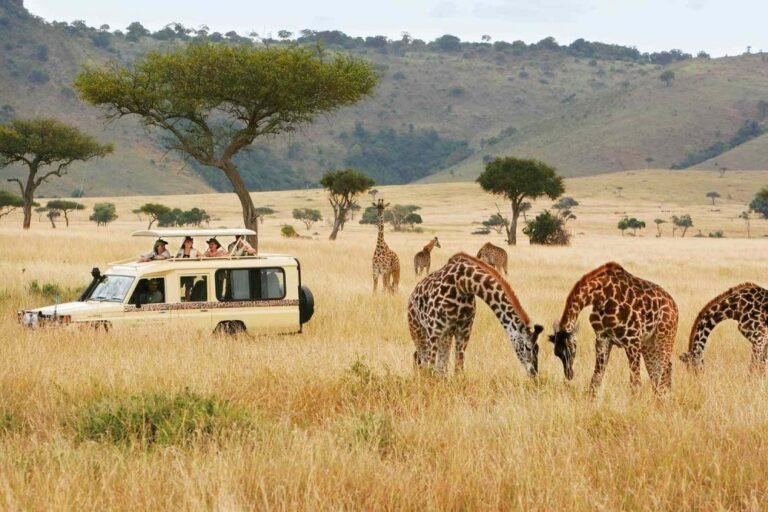
Kenya pioneered the modern safari concept, and the country remains unmatched in delivering authentic wildlife encounters. The word “safari” itself comes from the Swahili language, meaning “journey,” and Kenya has perfected the art of creating transformative journeys into the wild. Unlike zoo experiences or wildlife documentaries, Kenyan safaris immerse you in pristine ecosystems where nature’s drama unfolds in real-time before your eyes.
The sheer density and diversity of wildlife in Kenya surpasses nearly every other destination globally. From the iconic Big Five lion, leopard, elephant, buffalo, and rhinoceros to hundreds of other mammal species, Kenya’s national parks and reserves teem with life. The country protects over 8% of its landmass in national parks, conservancies, and reserves, creating vast protected areas where wildlife roams freely across ancient migration routes.
Before embarking on this life-changing adventure, book your flights to Kenya early to secure competitive rates, especially during peak wildlife viewing seasons when demand from international travelers peaks.
The Great Wildebeest Migration: Nature’s Greatest Spectacle
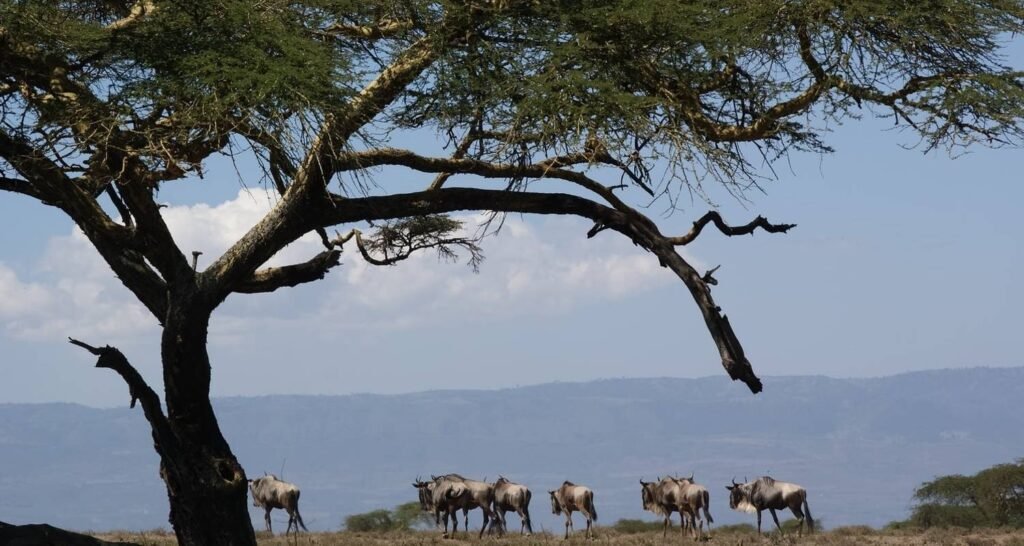
Perhaps no single reason to visit Kenya resonates more powerfully than the opportunity to witness the Great Wildebeest Migration. This annual phenomenon sees over two million wildebeest, accompanied by hundreds of thousands of zebras and gazelles, traverse the Serengeti-Mara ecosystem in an endless search for fresh grazing lands and water.
The Masai Mara National Reserve, Kenya’s most celebrated wildlife sanctuary, becomes the epicenter of this spectacle between July and October. The dramatic Mara River crossings represent the migration’s most iconic moments massive herds gathering courage before plunging into crocodile-infested waters in desperate attempts to reach the opposite bank. These scenes of survival, predation, and raw nature create visceral experiences that photographs and videos simply cannot capture adequately.
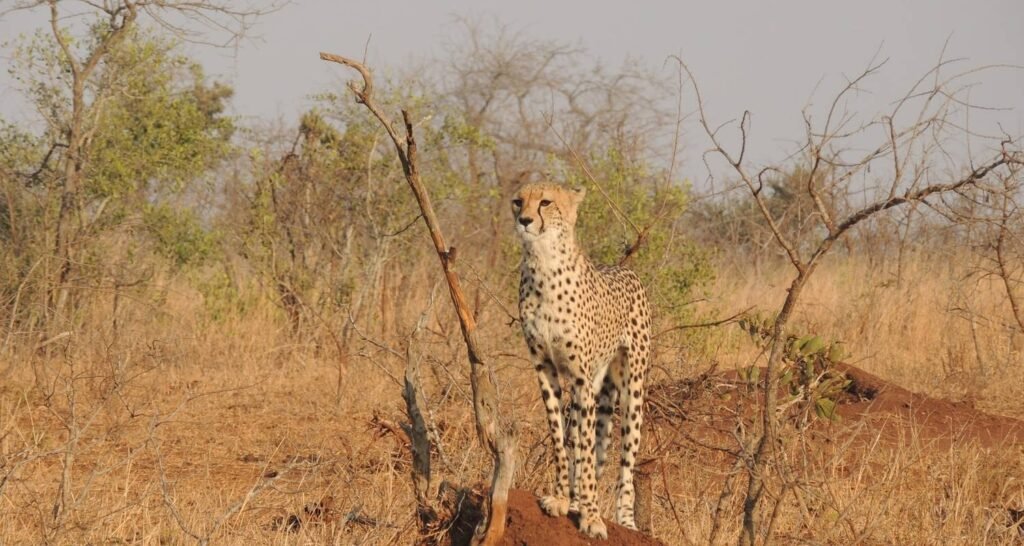
Beyond the migration itself, the Masai Mara offers year-round exceptional game viewing. The reserve’s 1,510 square kilometers support one of Africa’s highest concentrations of predators. Lions, cheetahs, and leopards patrol the savannah in numbers rarely found elsewhere, while spotted hyenas and jackals complete the predator ecosystem. This concentration ensures extraordinary wildlife encounters regardless of season.
To experience the Mara’s magic fully, secure accommodation in safari lodges or luxury tented camps positioned strategically for game viewing access. Properties within the reserve or adjoining conservancies offer the advantage of early morning and night drives unavailable in many other parks.
Extraordinary Ecosystem Diversity
Kenya’s geographical diversity creates a stunning variety of landscapes and ecosystems, each supporting unique wildlife communities. This diversity means a single Kenyan safari can encompass dramatically different environments and experiences.
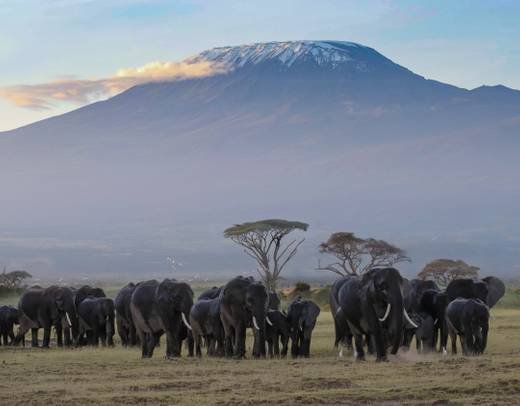
The snow-capped peak of Mount Kenya, Africa’s second-highest mountain, rises to 5,199 meters, creating alpine conditions mere kilometers from equatorial savannah. Amboseli National Park showcases this contrast beautifully elephant herds wander across dry lake beds with Mount Kilimanjaro’s majestic peak providing a stunning backdrop. The park’s permanent swamps attract incredible wildlife concentrations, creating photographer’s paradise conditions.
Kenya’s Rift Valley lakes present yet another ecosystem. Lake Nakuru National Park, famous for hosting millions of flamingos during favorable conditions, creates pink-hued spectacles visible from space. The alkaline waters support unique food chains while surrounding woodlands shelter both black and white rhinoceros populations under intensive conservation protection.
The coastal region reveals Kenya’s tropical side. Pristine white-sand beaches stretch along the Indian Ocean, where ancient Swahili culture blends with African, Arab, and European influences. Marine national parks protect coral reefs teeming with colorful fish, sea turtles, and dolphins, offering world-class snorkeling and diving opportunities.
Northern Kenya’s semi-arid regions, including Samburu National Reserve, present stark beauty and specialized wildlife. Species found nowhere else in Kenya Grevy’s zebra, reticulated giraffe, Somali ostrich, and gerenuk antelope thrive in these harsh conditions. The dramatic landscape and unique fauna create safari experiences distinctly different from southern Kenya’s classic savannah.
Rich Cultural Heritage and Warm Hospitality
Wildlife alone doesn’t explain Kenya’s magnetic appeal. The country’s cultural richness adds profound depth to any visit. Over 40 distinct ethnic groups call Kenya home, each maintaining unique traditions, languages, and customs that have survived modernization.
The Maasai people, perhaps Kenya’s most internationally recognized community, continue practicing semi-nomadic pastoralism across the Rift Valley and southern regions. Many lodges and camps offer cultural visits where Maasai warriors share traditions, demonstrate jumping dances, and explain their symbiotic relationship with wildlife. These interactions provide meaningful cultural exchanges that enrich safari experiences beyond wildlife viewing.
The Samburu, Turkana, Rendille, and other northern communities maintain equally fascinating traditions adapted to harsh desert environments. Coastal Swahili culture reflects centuries of Indian Ocean trade, visible in architecture, cuisine, and language. This cultural tapestry means Kenya offers anthropological insights alongside ecological wonders.
Kenyan hospitality, encapsulated in the concept of “karibu” (welcome), creates warm, genuine interactions. From safari guides sharing intimate wildlife knowledge to hotel staff ensuring comfort, Kenyans take pride in showcasing their country’s treasures to visitors.
World-Class Safari Infrastructure and Accessibility
Kenya’s tourism infrastructure ranks among Africa’s most developed and reliable. Decades of welcoming international visitors have created sophisticated systems ensuring comfortable, safe, and seamless safari experiences even in remote wilderness areas.
Nairobi serves as East Africa’s primary hub, with Jomo Kenyatta International Airport offering direct connections to European, Asian, Middle Eastern, and other African destinations. Internal flights connect major parks and coastal resorts efficiently, minimizing ground travel time and maximizing wildlife viewing opportunities.
Safari lodges and tented camps span every budget category while maintaining quality standards. Luxury properties offer five-star amenities including gourmet dining, spa services, and infinity pools overlooking waterholes, while budget-friendly options provide authentic bush experiences without excessive costs. The variety ensures Kenya accommodates honeymoon couples, families, solo travelers, and adventure seekers equally well.
Professional safari guides undergo rigorous training and certification, ensuring knowledgeable, safe wildlife experiences. Their expertise transforms game drives from simple animal spotting into educational journeys explaining ecosystem dynamics, animal behavior, and conservation challenges.
Conservation Success Stories and Responsible Tourism
Visiting Kenya directly supports critical conservation efforts protecting endangered species and threatened ecosystems. Kenya has achieved remarkable conservation successes, particularly with rhinoceros and elephant populations that faced severe poaching pressure during previous decades.
Black rhinoceros numbers have rebounded thanks to intensive anti-poaching efforts, secure sanctuaries, and community-based conservation programs. Kenya now hosts East Africa’s largest black rhino population, with parks like Ol Pejeta Conservancy offering virtually guaranteed sightings of these critically endangered animals.
Elephant populations have similarly stabilized and begun recovering. Kenya’s ban on ivory trade and community conservation initiatives that share tourism revenue with local populations have reduced human-wildlife conflict while creating economic incentives for wildlife protection.
By choosing Kenya for safari experiences, visitors become conservation stakeholders. Tourism revenue funds anti-poaching patrols, wildlife veterinary services, habitat protection, and community development programs. This creates sustainable models where wildlife protection aligns with economic development rather than competing against it.
Practical Advantages for International Travelers
Kenya offers practical advantages that simplify African safari planning. Visa processes remain straightforward, with electronic visas available for most nationalities through simple online applications. English serves as an official language alongside Swahili, eliminating communication barriers that complicate travel in some African destinations.
Modern connectivity means staying in touch remains possible even in remote locations. However, international roaming costs can shock travelers with enormous bills. Secure your eSIM for Kenya before departure to enjoy affordable data coverage throughout your journey, allowing seamless sharing of incredible safari moments with family and friends back home.
Healthcare infrastructure in major cities meets international standards, though remote safari regions require preparation. Comprehensive travel insurance covering medical emergencies, evacuation, and trip interruption provides essential protection. Safari-specific coverage becomes particularly important given the distances from advanced medical facilities when exploring wilderness areas.
The Kenyan shilling’s favorable exchange rates against major currencies mean international visitors’ budgets stretch further than in many competing destinations. Quality safari experiences, accommodation, and dining remain accessible across various price points without compromising standards.
Year-Round Safari Opportunities
Kenya’s equatorial location creates consistent temperatures and year-round wildlife viewing opportunities. While seasonal variations affect specific experiences—like witnessing migration river crossings—Kenya never truly closes for safaris. Each season offers distinct advantages that appeal to different traveler preferences.
The dry seasons from June through October and December through March provide classic safari conditions with concentrated wildlife around permanent water sources. However, the “green season” during rainy months offers lush landscapes, exceptional bird watching, newborn animals, and significantly lower prices with fewer tourists.
This flexibility means Kenya accommodates varying vacation schedules without forcing compromises. Whether traveling during Northern Hemisphere summer vacations, winter escapes, or shoulder seasons, Kenya delivers memorable experiences. Compare accommodation options across seasons to find the perfect balance between experience quality, crowd levels, and budget considerations.
Beyond Safari: Kenya’s Additional Attractions
While safaris rightfully dominate Kenyan tourism, the country offers remarkable diversity beyond wildlife parks. The Indian Ocean coastline features pristine beaches rivaling any tropical destination. Diani Beach, Watamu, and Malindi combine powdery white sand with warm turquoise waters ideal for swimming, snorkeling, and diving.
Historic coastal towns like Lamu, a UNESCO World Heritage Site, transport visitors to different eras. Narrow streets accessible only by foot or donkey wind between coral stone buildings showcasing Swahili architecture unchanged for centuries. The absence of motorized vehicles creates peaceful atmospheres where time seems suspended.
Adventure enthusiasts find Kenya equally compelling. Mount Kenya offers challenging climbs through diverse vegetation zones to glaciated peaks. The Great Rift Valley provides hiking, rock climbing, and geological exploration opportunities. Water sports including kitesurfing, deep-sea fishing, and white-water rafting cater to adrenaline seekers.
Creating Your Kenyan Adventure
Kenya’s combination of accessible wildlife, diverse ecosystems, rich culture, excellent infrastructure, and year-round opportunities creates an unmatched African destination. Whether seeking the drama of predator-prey interactions on the savannah, the serenity of elephant herds against mountain backdrops, the cultural richness of traditional communities, or the relaxation of tropical beaches, Kenya delivers beyond expectations.
The question isn’t why visit Kenya it’s why haven’t you visited yet. This extraordinary nation offers transformative experiences that reconnect visitors with nature, provide perspective on conservation challenges, and create memories treasured for lifetimes. From witnessing wildebeest thundering across the Mara to sharing stories around campfires under brilliant African stars, Kenya awakens something primal and profound in those who venture into its wild spaces.
Start planning your Kenyan adventure today, and discover firsthand why this remarkable country has captivated explorers, naturalists, and travelers for generations. Africa’s magic awaits in Kenya’s parks, reserves, communities, and landscapes ready to transform your understanding of the natural world and your place within it.